John Marshall Butler
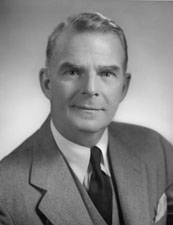
John Marshall Butler
U.S.A.

Social Media

Personal Background
John Marshall Butler's foundational background is rooted in a diverse array of experiences. He completed his early education in Baltimore and served in the US Army during World War I. Following his military service, Butler pursued higher education, earning a law degree. He began his professional career in law and later transitioned into real estate and public service roles. His leadership experience includes serving on the City Service Commission of Baltimore.
Political Ideas
John Marshall Butler's political identity is marked by a complex blend of staunch anti-communism and selective civil rights advocacy. His sponsorship of the Communist Control Act of 1954 and opposition to McCarthy's censure illustrate a rigid stance against perceived communist threats. However, his votes in favor of the Civil Rights Acts of 1957 and 1960, despite not signing the Southern Manifesto, reveal a nuanced approach to racial equality. This juxtaposition of hardline anti-communism with progressive civil rights votes creates an intriguing tension in Butler's ideological positioning.