John Netherland
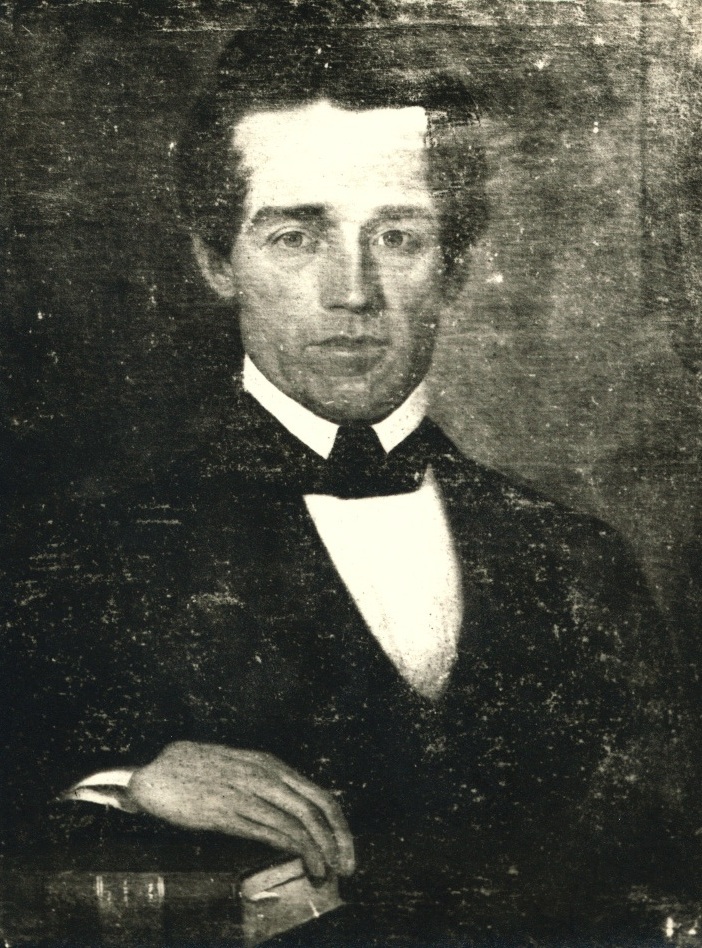
John Netherland
U.S.A.
Social Media

Personal Background
John Netherland began his career in law after studying at Tusculum Academy and reading under Judge Samuel Powell. He was admitted to the bar and quickly entered political life, serving in various state legislative roles. Netherland demonstrated expertise in managing institutional risk during a decade in high-finance before transitioning to public service. He was a prominent figure in the Whig Party and later the pro-Union Opposition Party, consistently advocating for policies that aligned with Union interests. His legal career included defending marginalized groups' voting rights, and he held various political positions, including an unsuccessful run for governor.
Political Ideas
John Netherland's political philosophy is marked by an ideological agility that defies easy categorization, blending traditional Whig principles with a pragmatic approach to regional issues. His opposition to Indian removal and defense of voting rights for marginalized groups like the Melungeons reveal a commitment to civil rights that contrasts with his Whig heritage. Netherland's stance on the Bank of Tennessee and his advocacy for a separate Union-aligned state during the secession crisis illustrate a nuanced approach to economic and regional governance. His rhetorical style, characterized by common sense and humor, adds an unexpected dimension to his otherwise calculated political maneuvering.