John Owen
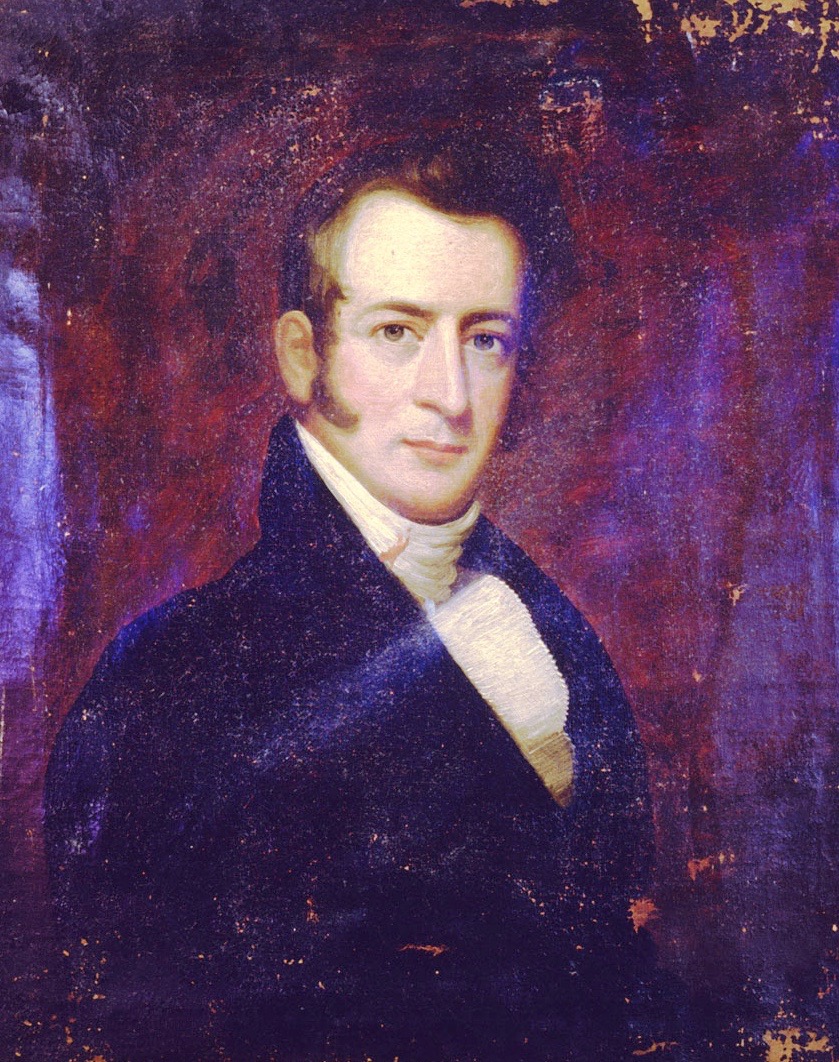
John Owen
U.S.A.

Social Media

Personal Background
John Owen, born in 1787 in Bladen County, North Carolina, established a career marked by significant contributions to state governance and education. He began his political career early, serving in the North Carolina House of Commons and Senate, and later on the North Carolina Council of State. Owen's tenure as Governor of North Carolina from 1828 to 1830 was distinguished by his advocacy for education, including his role as President of the University of North Carolina Board of Trustees. After retiring from elected office, he remained influential in shaping state policy, notably supporting enfranchisement of land-owning Negro citizens and opposing religious tests for officeholders during the 1835 North Carolina Constitutional Convention. Owen transitioned from the Democratic to the Whig Party, eventually presiding over the first state convention of the Whig Party in 1839.
Political Ideas
John Owen's political identity is marked by an intriguing blend of progressive and conservative elements. His advocacy for the enfranchisement of land-owning Negro citizens, juxtaposed with his later leadership in the Whig Party, reveals a complex ideological positioning. Owen's support for religious freedom in officeholders further complicates his stance, suggesting a nuanced approach to civil liberties. His educational reforms as governor underscore a commitment to public welfare, yet his political journey from Democrat to Whig hints at a strategic, perhaps even calculated, political navigation. This combination of forward-thinking policies and shifting affiliations leaves one curious about the underlying rationale driving his decisions.