John Sevier
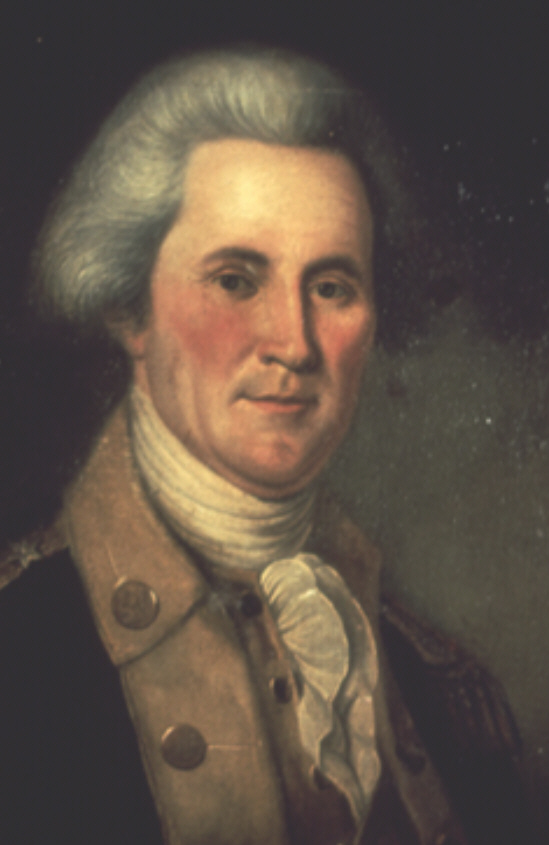
John Sevier
U.S.A.

Social Media

Personal Background
John Sevier began his career as a farmer and militia leader in the trans-Appalachian frontier. He gained experience in local governance and military defense through his roles in the Watauga Association and Washington District. Sevier's leadership extended to significant military engagements against the Cherokee during the Revolutionary War and subsequent conflicts. He played a pivotal role in the establishment of the State of Franklin and later the Southwest Territory. Sevier's political career culminated in his election as the first governor of Tennessee, where he focused on land acquisition and defense. His tenure was marked by a notable rivalry with Andrew Jackson, which influenced factionalism in Tennessee.
Political Ideas
John Sevier's political identity is marked by a blend of rugged individualism and regional exceptionalism, advocating for the aggressive acquisition of Indian lands to facilitate European-American settlement. His military leadership in defending frontier settlements against Native American attacks underscores a calculated approach to regional security. Sevier's political career, punctuated by his rivalry with Andrew Jackson, reveals a strategic maneuvering within factional divides, showcasing an ideologically agile stance that balances local interests with broader territorial ambitions.