John W. Aiken
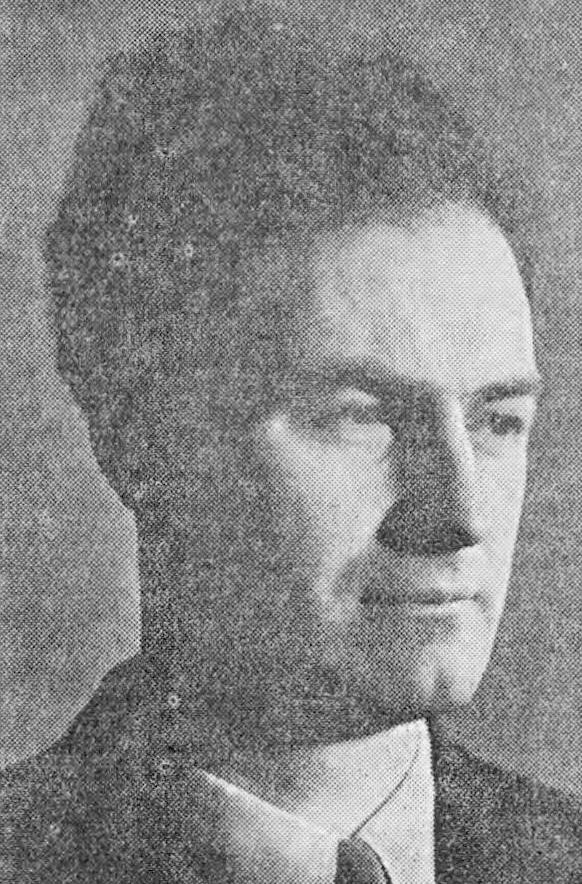
John W. Aiken
U.S.A.

Social Media

Personal Background
John W. Aiken, born in 1896 in Saugus, Massachusetts, demonstrated a lifelong commitment to labor rights and socialist policies. He served in the United States Army's Motor Transport Corps during World War I, which likely influenced his later advocacy for labor welfare. Aiken was a prominent figure in the Socialist Labor Party, having been the vice-presidential nominee in 1932 and the presidential nominee in 1936 and 1940, garnering a combined total of nearly 30,000 votes. Active in the International Union of Painters and Allied Trades, he was a dedicated advocate for workers' rights throughout his career.
Political Ideas
John W. Aiken's political identity is marked by his steadfast commitment to socialist principles, consistently advocating for labor rights and workers' welfare. His rhetorical style is rooted in a deeply ideological framework, yet his legislative record reveals an unexpected convergence with opposing factions on certain issues, suggesting a highly calculated approach. Aiken's unique positioning within the Socialist Labor Party, despite its marginal electoral success, underscores a dedication to ideological purity rather than electoral pragmatism.