John W. Davis
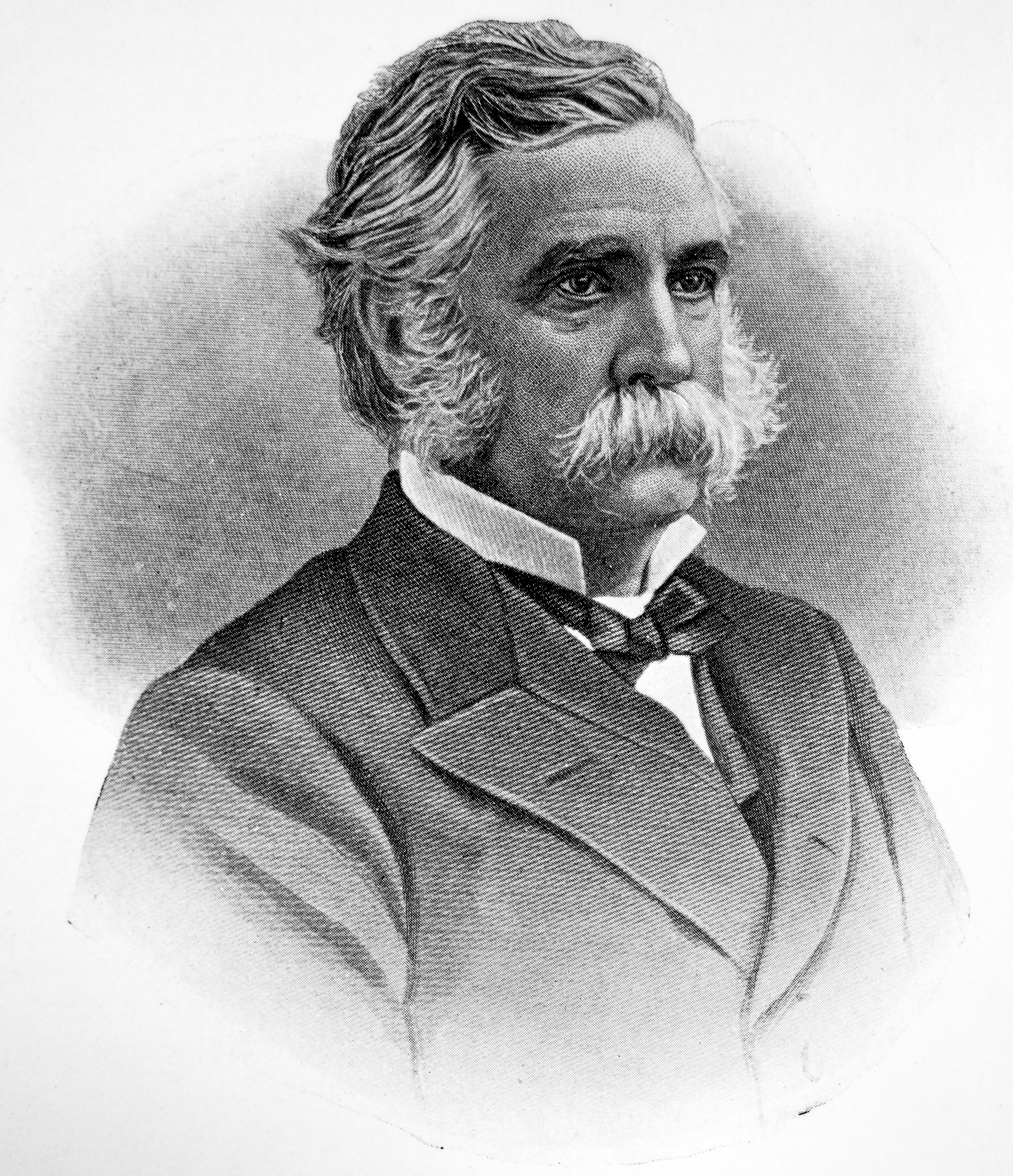
John W. Davis
U.S.A.

Social Media

Personal Background
John W. Davis began his career as a mason before partnering with his brother in a grain and provisions business. His early political involvement included service on the Democratic City Committee and the Pawtucket Town Council. Davis held a significant role in the Rhode Island Senate and was appointed by President Grover Cleveland as an Appraiser of Foreign Merchandise. His tenure as governor was marked by progressive reforms, including granting voting rights to foreign-born residents, expanding suffrage to women, and establishing the boundary line between Rhode Island and Connecticut. Davis's professional journey reflects a blend of business acumen and public service leadership.
Political Ideas
John W. Davis's political identity is marked by an intriguing blend of progressive civil rights advocacy and support for local economic interests. His legislative initiatives, such as granting voting rights to foreign-born residents and expanding suffrage to women, reveal a forward-thinking approach to civil liberties. However, his simultaneous promotion of fair trade practices and customs reforms suggests a calculated effort to balance regional economic interests with broader social reforms. Davis's tenure as governor showcased a unique convergence of progressive social policies with a focus on local governance and administrative efficiency, hinting at a highly localized and ideologically agile political strategy.