John Y. Brown
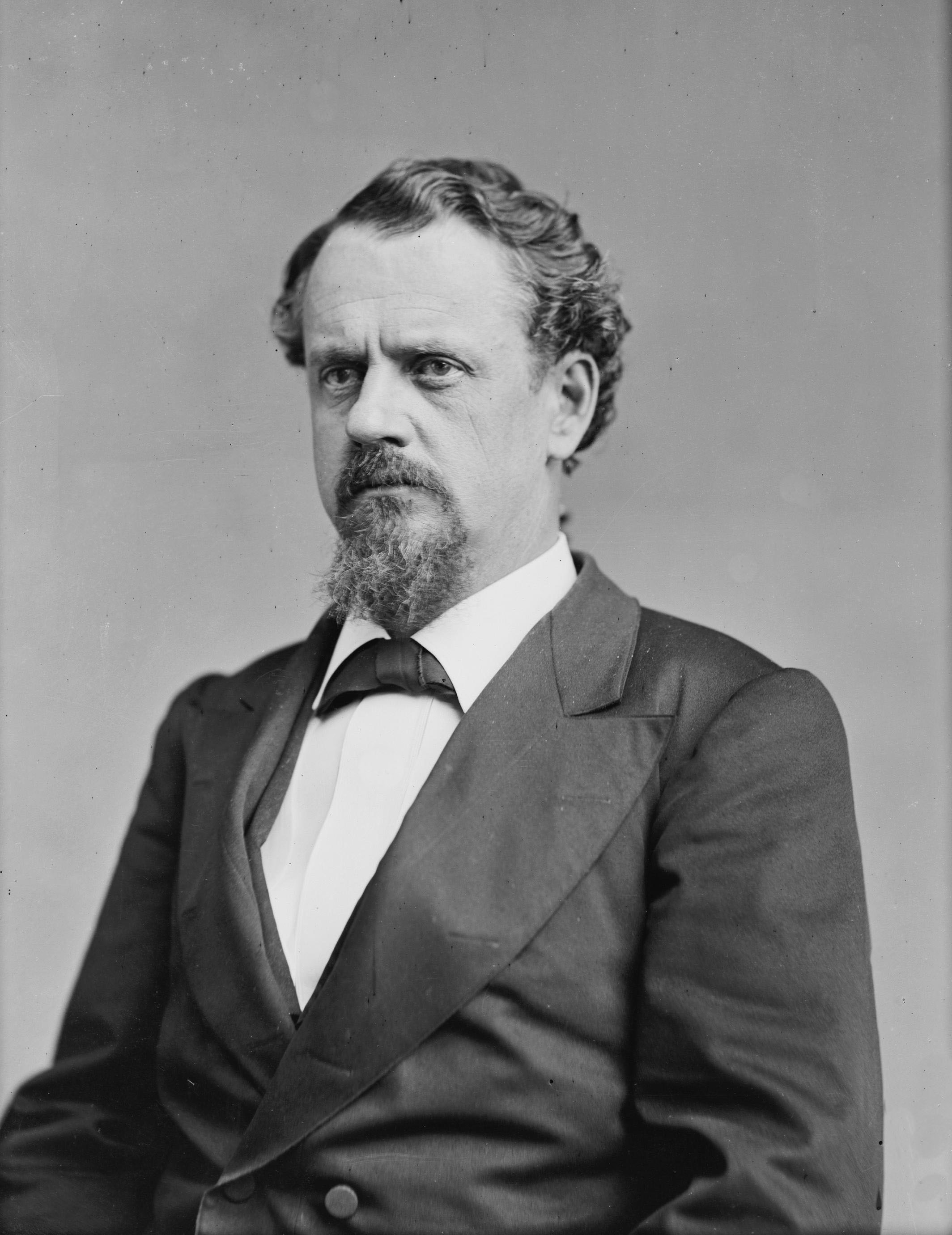
John Y. Brown
U.S.A.

Social Media

Personal Background
John Y. Brown matriculated at Centre College and graduated in 1855, subsequently reading law and opening a practice in Elizabethtown. He entered public service by being elected to the House of Representatives, where he delivered a notable speech against the Civil Rights Act of 1875, resulting in a House censure. Brown later served as Governor of Kentucky, during which he addressed budget deficits and advocated for government efficiency measures and individual property rights for married women. He had a contentious stance on civil rights and economic policies, including tighter controls on corporations and preventing the merger of the state's largest railways. Brown's career reflects a blend of legal expertise and public service, marked by significant legislative and executive actions.
Political Ideas
John Y. Brown's political identity is marked by a complex blend of regional protectionism and socially conservative measures. He advocated for tighter corporate controls while simultaneously opposing a railroad tax increase and preventing railway mergers, revealing a calculated approach to safeguarding local economic interests. His stance on civil rights is particularly intriguing, as he delivered a notably inflammatory speech against the Civil Rights Act of 1875 and signed a law enforcing racial segregation on trains. This juxtaposition suggests a nuanced, if not contradictory, ideological framework that demands deeper exploration.