Joseph A. Gilmore
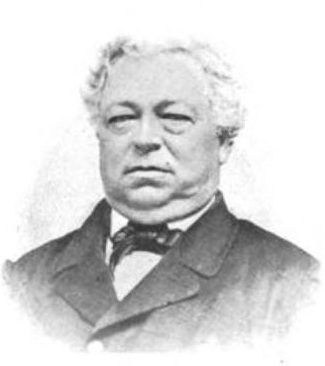
Joseph A. Gilmore
U.S.A.

Social Media

Personal Background
Joseph A. Gilmore was educated in Vermont before moving to Boston to learn the mercantile business. He later established a wholesale grocery business in Concord, New Hampshire, and became involved with the railroad industry, serving in various supervisory roles. Gilmore transitioned into politics, joining the Republican Party and serving in the New Hampshire State Senate, where he was President pro Tempore. He later served as governor, focusing on support for the Union during the American Civil War.
Political Ideas
Joseph A. Gilmore's political identity is marked by an unexpected blend of economic pragmatism and wartime humanitarianism. While his legislative actions, such as bonuses and transport arrangements for soldiers, reflect a calculated approach to supporting regional industrial interests, his involvement in the Concord and Claremont Railroad suggests a strategic alignment with business factions. Gilmore's wartime efforts reveal a surprising commitment to humanitarian logistics, hinting at a nuanced ideological positioning that balances economic interests with moral imperatives.