Joseph Battell
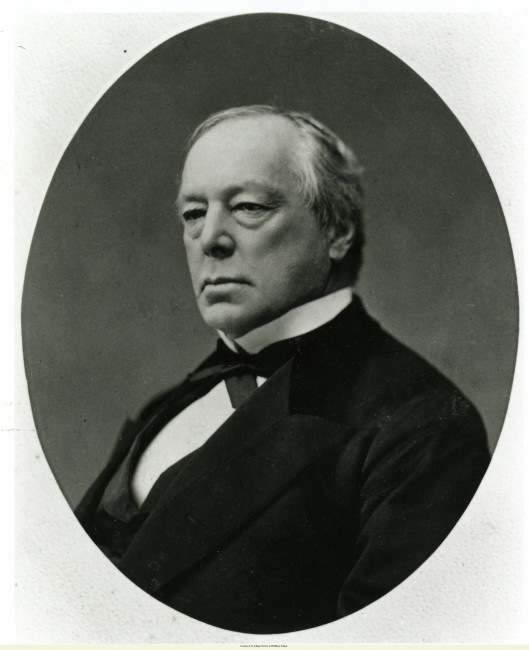
Joseph Battell
U.S.A.
Social Media

Personal Background
Joseph Battell has a foundational background rooted in significant land conservation and educational philanthropy. He began by selling approximately 1,200 acres of virgin forest to the State of Vermont in 1911, establishing the first natural area protected for its wilderness character. In 1915, he expanded his conservation efforts by adding over 30,000 acres of Vermont's mountain forests to his perpetual trust. Battell also contributed to educational institutions by leaving over 25,000 acres surrounding the Bread Loaf Inn to Middlebury College. His contributions to land preservation and educational infrastructure have had lasting impacts on both the environment and academia.
Political Ideas
Joseph Battell's strategic philosophy centers on a long-term commitment to environmental stewardship and regional development, blending philanthropy with pragmatic infrastructure. His ideological positioning is unique in its early dedication to wilderness preservation, evident in his 1911 sale of virgin forest to the State of Vermont and subsequent additions to his trust. This approach reveals a highly localized strategy, balancing ecological conservation with educational and infrastructural benefits. His rhetorical style likely emphasizes the intrinsic value of natural landscapes while promoting community welfare, creating a compelling tension between idealistic environmentalism and practical regional development.