Joseph E. Brown
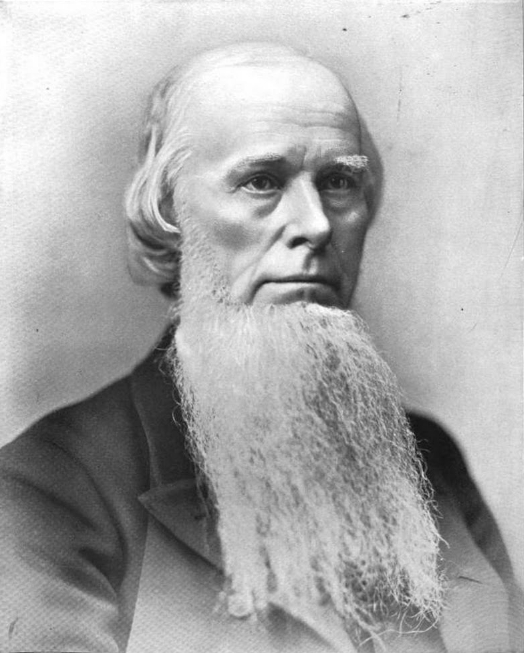
Joseph E. Brown
U.S.A.

Social Media

Personal Background
Joseph E. Brown completed his early education through self-initiative, traveling to an academy and trading his oxen for board and lodging. He later studied law at Yale University and established a law practice in Canton, Georgia. Brown entered politics by joining the Democratic Party and was elected to the Georgia state senate. His career transitioned into the judicial system when he became a state circuit court judge and served as a presidential elector. During the Civil War, Brown's actions as Governor of Georgia included ordering the removal of state records and withdrawing state militia to harvest crops. Post-war, he supported President Andrew Johnson's Reconstruction policies and joined the Republican Party, serving as chief justice of the Supreme Court of Georgia. Brown later engaged in coal mining operations, utilizing convict labor to amass a significant fortune.
Political Ideas
Joseph E. Brown's political identity is marked by a complex blend of strategic pragmatism and economic opportunism. His support for President Andrew Johnson's Reconstruction policies, followed by his shift to the Republican Party, reveals an ideologically agile approach to aligning with power. Brown's significant profits from coal mining operations, particularly through the use of convict labor, highlight a calculated prioritization of economic interests over labor rights. This convergence of political maneuvering and exploitative labor practices presents an intriguing tension in his legacy.