Joseph Ritner
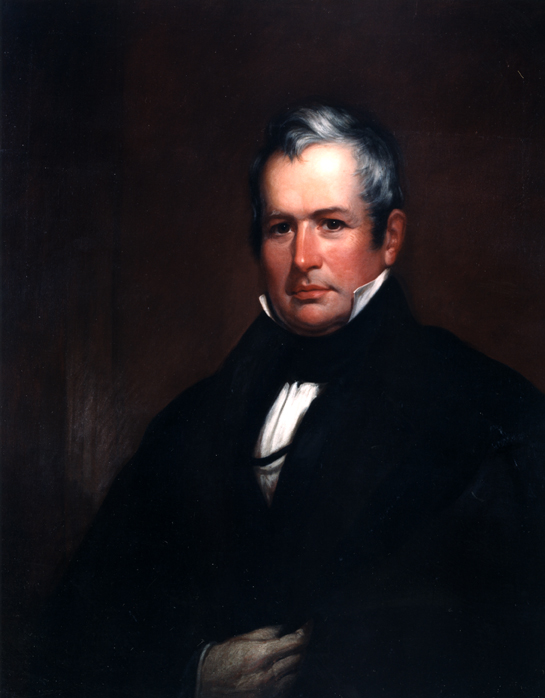
Joseph Ritner
U.S.A.
Social Media

Personal Background
Joseph Ritner, self-educated and of German heritage, established a farm in Washington County early in life. He served as a militia commander during the War of 1812 and later became a prominent figure in Pennsylvania politics. Ritner held various roles in the state legislature, including serving as Speaker. He championed educational reforms and opposed slavery, which inspired an abolitionist poem. As governor, he signed legislation for the Second Bank of the United States and extended voting rights to all White freemen over 21.
Political Ideas
Joseph Ritner's political career is marked by a blend of progressive education policies and conservative economic measures, creating a unique ideological tension. While he championed enhanced public education, his support for the Second Bank of the United States reveals a surprising alignment with traditional economic interests. Ritner's ardent opposition to slavery and advocacy for voting rights reforms further complicate his ideological positioning, suggesting a nuanced approach to social issues. His rhetorical style likely emphasized the regional benefits of his policies, balancing moral imperatives with pragmatic governance.