Joseph W. Folk
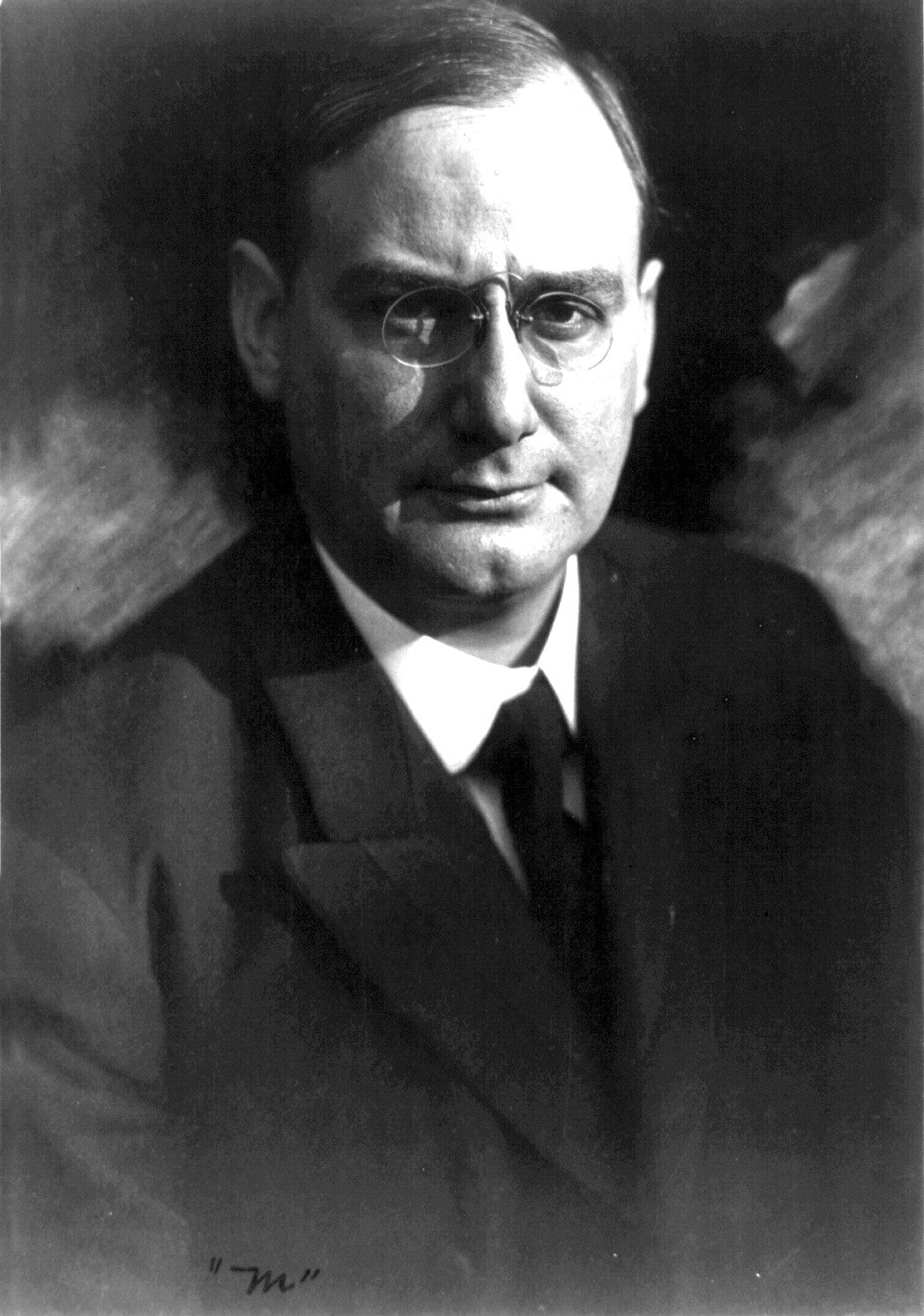
Joseph W. Folk
U.S.A.

Social Media

Personal Background
Joseph W. Folk was born in Brownsville, Tennessee, and graduated from Vanderbilt University in 1890. He began his career as a clerk and bookkeeper in Memphis before joining his father's law firm, focusing on criminal law. Folk's early political involvement included a run for the Tennessee House of Representatives and leadership roles in civic organizations. In St. Louis, he gained prominence by representing transit workers during the 1900 Streetcar Strike and was elected circuit attorney the same year. Folk aggressively pursued anti-corruption efforts, investigating and prosecuting local political machines and corporate bribery rings, which earned him national recognition. As Governor of Missouri from 1905 to 1909, he championed the "Missouri Idea," advocating for public morality through popular control of law. He conducted antitrust prosecutions, improved election laws, and established various regulatory boards. Post-governorship, Folk returned to law practice, engaged in international arbitration, and held various public service roles.
Political Ideas
Joseph W. Folk's political identity is marked by a distinctive blend of moral rigor and strategic pragmatism. His advocacy for the "Missouri Idea" underscores a commitment to public morality through popular control of law, a stance that often aligns with strict enforcement measures. Folk's anti-corruption efforts, including prosecuting local party bosses and influencing international treaties, reveal an unexpected convergence with federal authorities, suggesting a highly calculated approach to rooting out graft. His legislative actions, such as ending gratis railroad passes for state officials and making racetrack gambling illegal, reflect a principled yet sometimes rigid stance on public morality and economic transparency.