Joshua Chamberlain
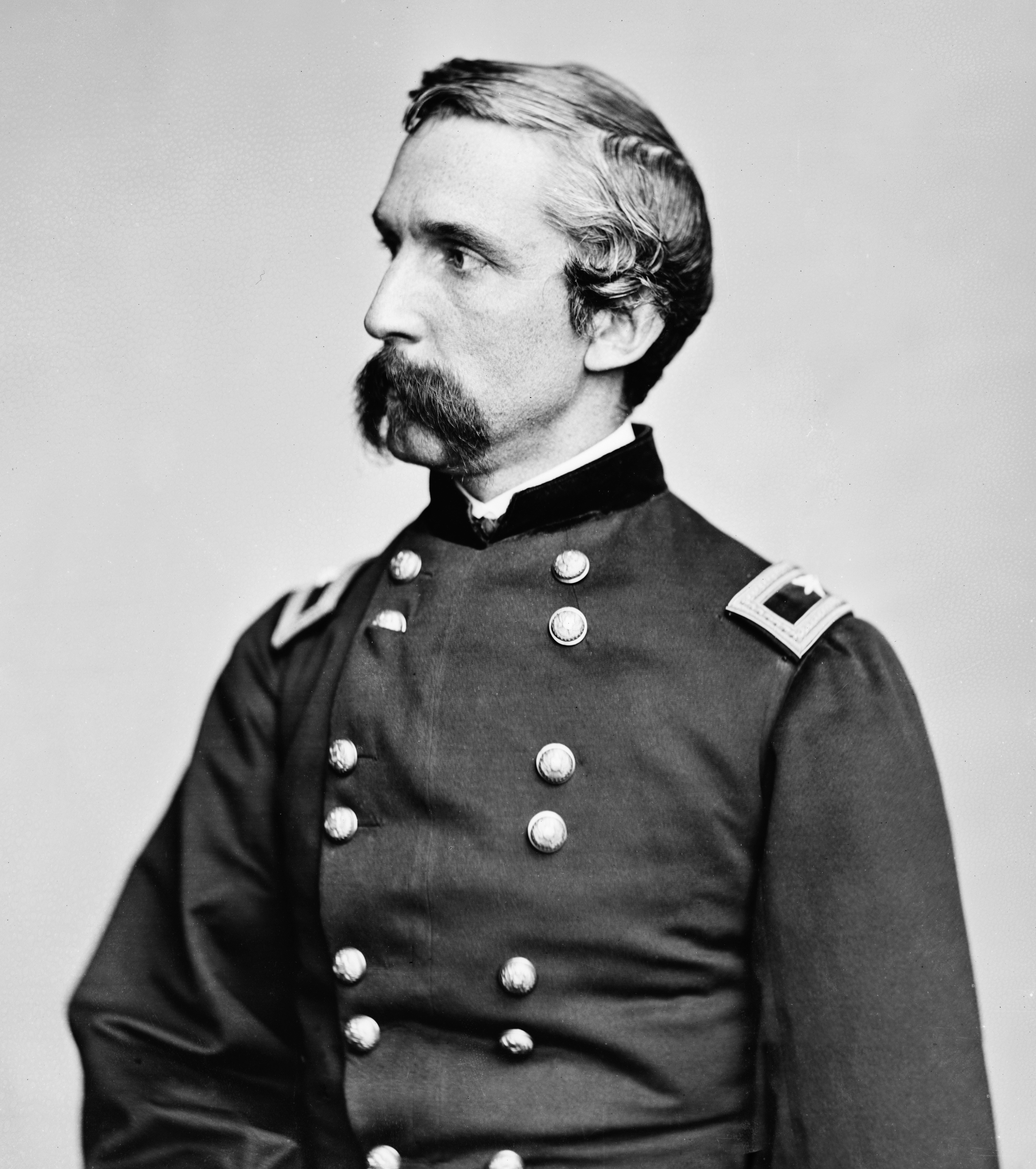
Joshua Chamberlain
U.S.A.

Social Media

Personal Background
Joshua Chamberlain graduated from Bowdoin College and became a professor of modern languages at the same institution. He served as a colonel during the Civil War, leading the 20th Maine Volunteer Infantry Regiment and distinguishing himself at the Battle of Gettysburg. After the war, Chamberlain transitioned to public service, spending four years as governor of Maine before becoming the president of Bowdoin College, where he emphasized a broad-based education. His military leadership and dedication to education established his foundational qualifications.
Political Ideas
Joshua Chamberlain's political identity is shaped by a unique blend of military valor and educational advocacy, revealing an ideological approach that balances honor with progressive thought. His military leadership during the Civil War, particularly at Gettysburg, contrasts with his post-war dedication to education, underscoring a commitment to both discipline and intellectual growth. Chamberlain's governance in Maine highlights a focus on order and respect for all, even adversaries, as seen in his conduct at Appomattox Court House. His rhetorical style likely combines a narrative of duty and honor with an appeal to shared human values, making his stances both compelling and thought-provoking.