Junius Marion Futrell
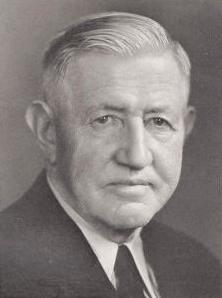
Junius Marion Futrell
U.S.A.

Social Media

Personal Background
Junius Marion Futrell began his career in education, teaching in various Arkansas counties before entering politics. He held multiple positions within the Arkansas state government, including serving in the House of Representatives, as Circuit Court Clerk, and as President of the Arkansas Senate. Futrell also acted as governor briefly in 1913 and was admitted to the bar, practicing law until his election as governor in 1932. During his tenure as governor, he established the Arkansas State Planning Board and the Arkansas Department of Public Welfare, while also rescinding prohibition and legalizing certain forms of gambling.
Political Ideas
Junius Marion Futrell's political identity is marked by a distinctive blend of conservatism and calculated pragmatism. He opposed state funding for education beyond the eighth grade, advocating instead for federal support, which presents an intriguing tension between his conservative principles and a reliance on federal intervention. Futrell's rescinding of prohibition and legalization of certain gambling activities further complicate his ideological profile, suggesting a nuanced approach to social policy. His establishment of the Arkansas State Planning Board and the Arkansas Department of Public Welfare indicates a surprising commitment to state-level welfare initiatives, despite his conservative reputation.