Karl Rolvaag
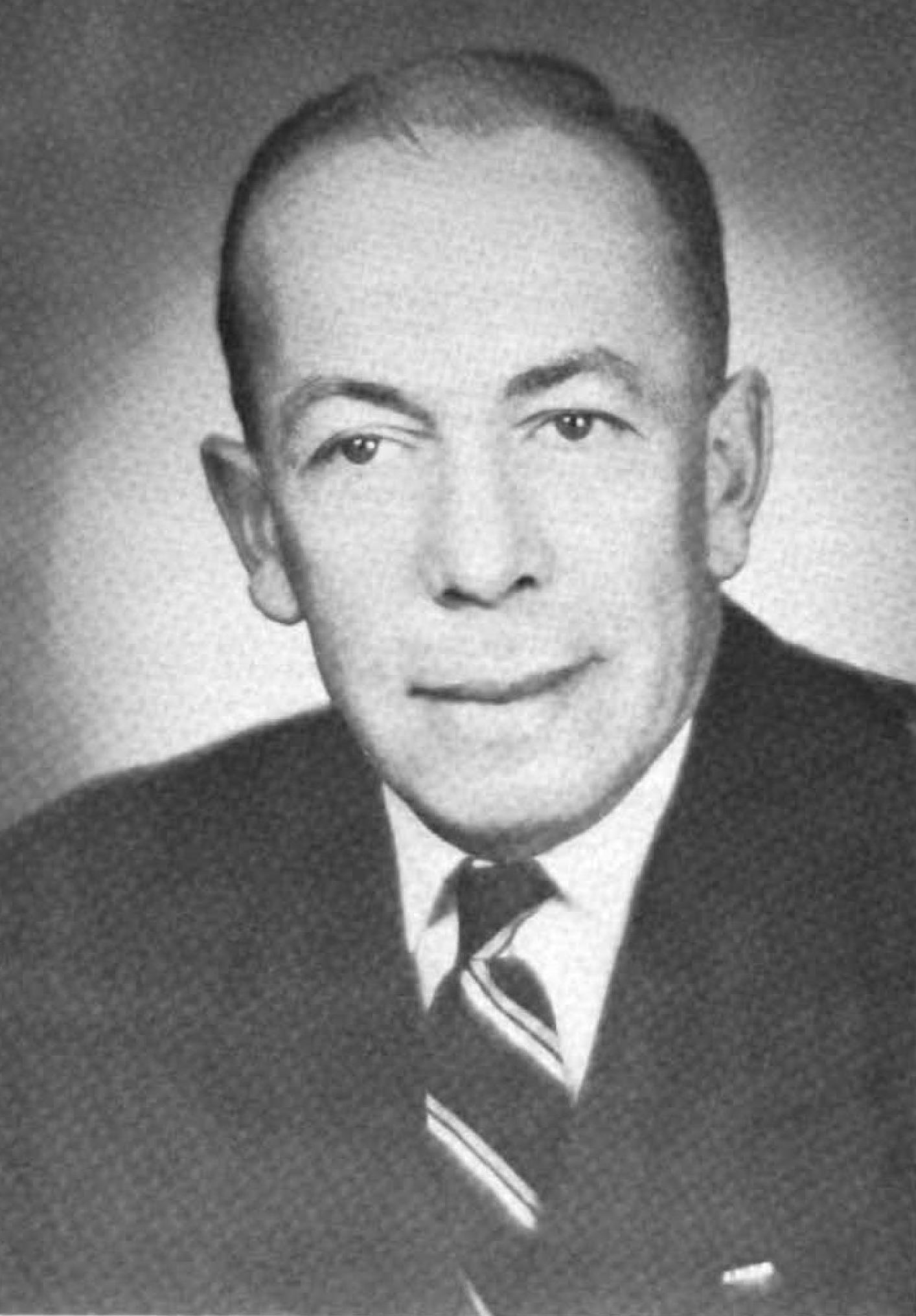
Karl Rolvaag
U.S.A.

Social Media

Personal Background
Karl Rolvaag graduated from St. Olaf College and served in World War II, rising to the rank of lieutenant. He studied politics in Norway and held leadership roles within the DFL before being elected lieutenant governor of Minnesota in 1954. Rolvaag served as governor from 1963 to 1967, implementing reforms in mental health and education. After losing his reelection bid, he was appointed United States Ambassador to Iceland, followed by a stint on the Minnesota Public Utilities Commission. Rolvaag overcame alcoholism in the 1980s and dedicated himself to helping others with similar issues.
Political Ideas
Karl Rolvaag's political career is marked by an unexpected blend of ideological moderation and reformist zeal, particularly in education and mental health. His tenure as governor saw a notably high number of vetoes, reflecting a cautious approach to legislation. Rolvaag's creation of a coordinated statewide system for junior colleges reveals an innovative strategy to democratize higher education access. Despite his moderate governance, Rolvaag's personal battle with alcoholism and subsequent advocacy for others in similar situations adds a layer of human complexity to his political identity.