Kinsley S. Bingham
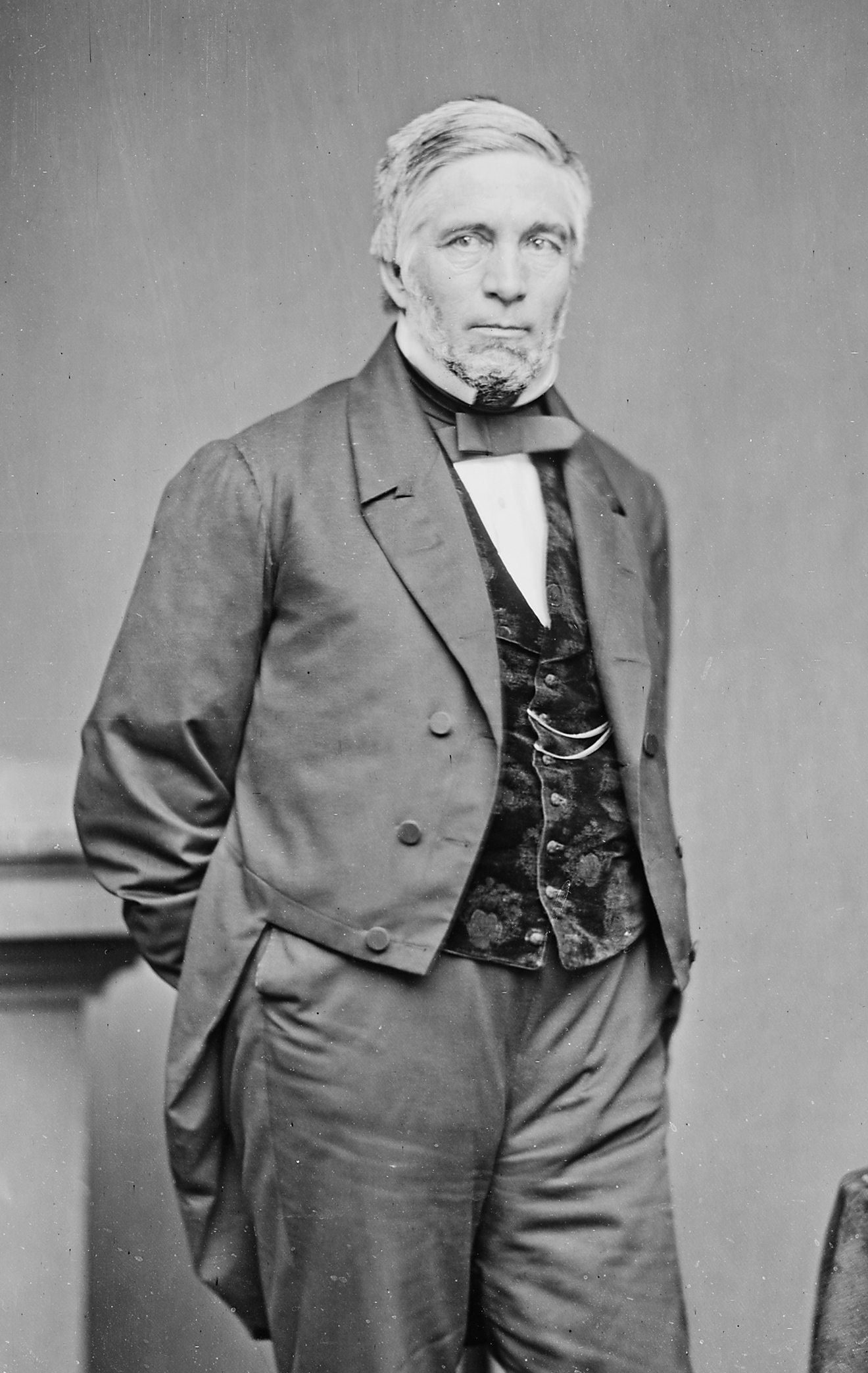
Kinsley S. Bingham
U.S.A.

Social Media

Personal Background
Kinsley S. Bingham completed his legal education in Syracuse and began his career in private practice after moving to Michigan. He held various local offices, including justice of the peace, postmaster, and judge, before serving in the Michigan State House of Representatives. Bingham transitioned to national politics as a Democratic Representative and later became a Republican, opposing the expansion of slavery and supporting the Wilmot Proviso. He was elected as Michigan's first Republican governor, where he focused on educational reforms and industry regulation, including the establishment of the Agricultural College of the State of Michigan. Bingham later served in the United States Senate, where he chaired the Committee on Enrolled Bills.
Political Ideas
Kinsley S. Bingham's political career reveals a distinctive blend of progressive economic regulation and a staunch anti-slavery stance. His support for the Wilmot Proviso while simultaneously advocating for lumber industry regulation shows a calculated approach to balancing regional economic interests with moral imperatives. Bingham's establishment of educational institutions, including what is now Michigan State University, alongside his infrastructural initiatives like the Beaver Island Head Lighthouse, demonstrates a multifaceted commitment to both human capital and physical development.