La Fayette Grover
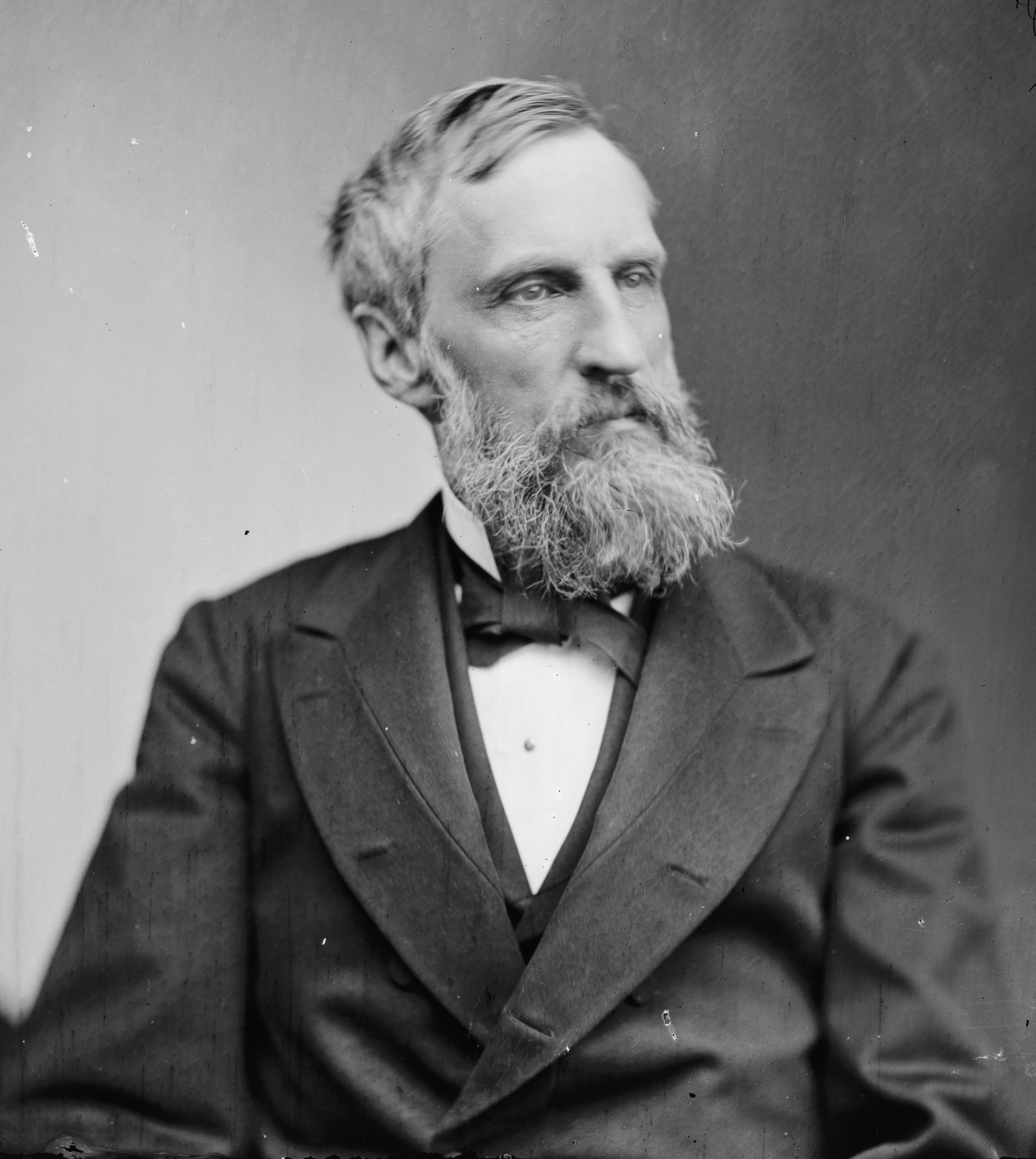
La Fayette Grover
U.S.A.

Social Media

Personal Background
La Fayette Grover was born in 1823 in Bethel, Maine. He established his legal career by gaining admission to the bar in Philadelphia in 1850, subsequently relocating to Salem, Oregon, where he commenced his law practice in 1851. Grover's early political involvement included serving in the Territorial House of Representatives and participating in the Oregon Constitutional Convention. He demonstrated expertise in auditing war claims, handling significant assignments related to the Rogue River Indian War and Indian war expenses of Oregon and Washington. Grover's career transitioned from the public sector to national politics, marked by his election to the United States Congress and subsequent governorship of Oregon.
Political Ideas
La Fayette Grover's political identity is marked by a blend of ideological rigidity and strategic maneuvering, particularly evident in his contestation of electoral integrity during the 1876 Presidential Election. His insistence on strict constitutional eligibility for electors reveals a highly principled stance, yet his substitution of a Democratic elector in place of John Watts shows a willingness to disrupt established processes for perceived justice. Grover's involvement in auditing Indian war claims further indicates a localized focus on regional issues, suggesting a policy approach that balances ideological consistency with practical regional considerations.