Leicester King
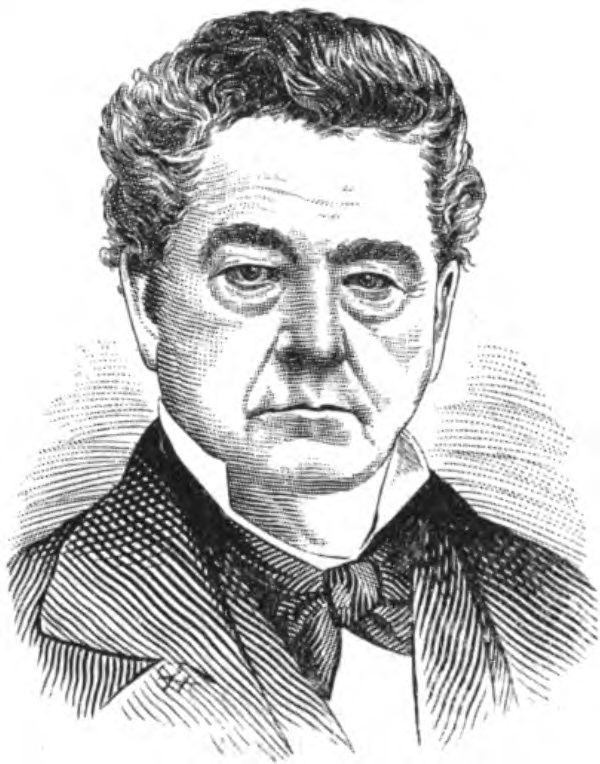
Leicester King
U.S.A.
Social Media

Personal Background
Leicester King was born in 1789 in Suffield, Connecticut, and later moved to Warren, Ohio, where he married Julia Ann Huntington in 1817. He spent several years as a mercantilist before shifting focus to infrastructure development, notably contributing to the Pennsylvania and Ohio Canal project. King transitioned into public service, serving as an associate judge for the Trumbull County Court of Common Pleas and later being elected to the Ohio Senate for two terms. He joined the Liberty Party in 1842 and ran for Ohio Governor in 1842 and 1844, before declining a nomination for Vice President in 1848.
Political Ideas
Leicester King's political identity is marked by an intriguing blend of regional economic advocacy and abolitionist fervor. His support for the Pennsylvania and Ohio Canal highlights a localized approach to economic development, while his unwavering commitment to abolitionism showcases an ideological rigidity that transcends party lines. King's decision to decline the Vice Presidential nomination in 1848, despite his growing stature within the Liberty Party, reveals a strategic detachment from mainstream political ambitions. This juxtaposition of localized economic initiatives with a broader moral crusade presents a complex figure whose policy stances often defy conventional political categorizations.