Lemuel Arnold
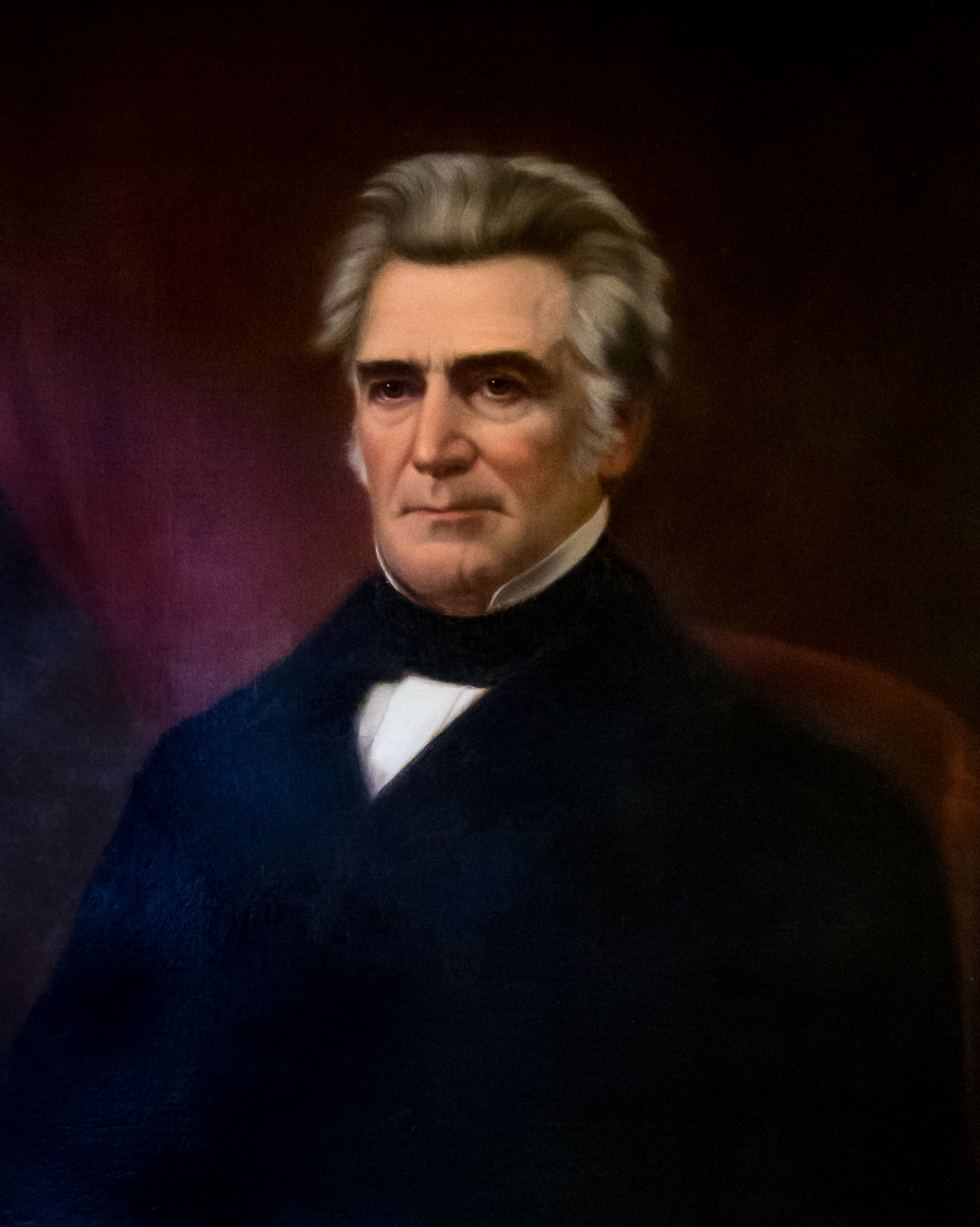
Lemuel Hastings Arnold
U.S.A.

Social Media

Personal Background
Lemuel Arnold graduated from Dartmouth College and was admitted to the bar in 1814. He practiced law in Providence before transitioning to manufacturing. Arnold served in the Rhode Island House of Representatives and as Governor of Rhode Island. He was also a member of the Rhode Island Executive Council during the Dorr Rebellion and served in the United States House of Representatives. Arnold's career reflects a blend of legal, legislative, and executive experience.
Political Ideas
Lemuel Arnold's political career reveals a complex blend of traditional Whig values with an unexpectedly progressive stance on certain social issues. His legislative record indicates a willingness to collaborate across party lines on environmental regulations, suggesting a calculated approach to balancing industrial interests with ecological concerns. Arnold's rhetorical style is marked by a blend of classical oratory and populist appeals, which he uses to bridge ideological divides. Despite his Whig affiliation, Arnold's support for certain labor reforms hints at an ideologically agile approach that defies simple categorization. His family connections to notable military and political figures further complicate his political identity, hinting at a multifaceted legacy.