LeRoy Collins
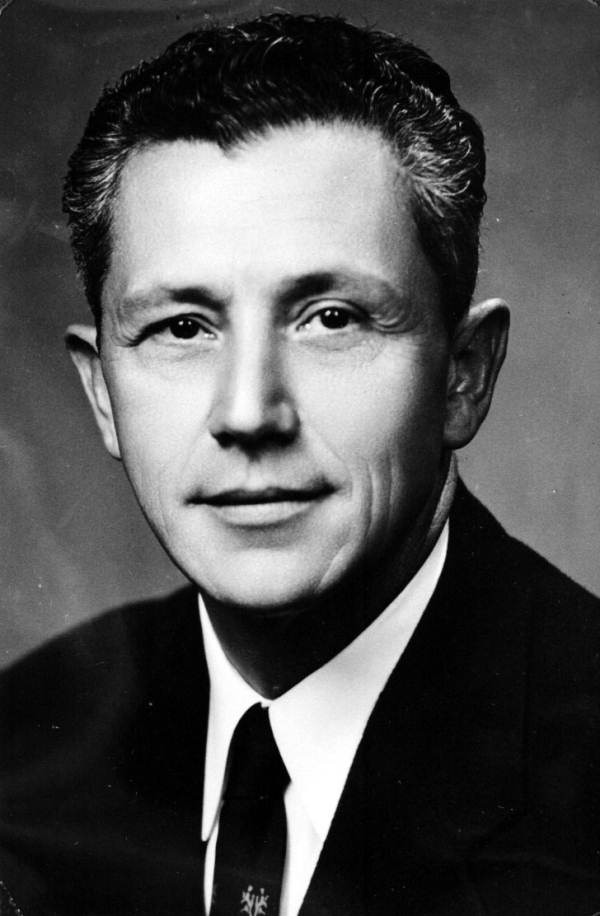
LeRoy Collins
U.S.A.

Social Media

Personal Background
LeRoy Collins attended Leon High School and pursued higher education at Eastman Business College and Cumberland School of Law. He began his career in public service by being elected to the Florida House of Representatives and later the Florida Senate. Collins demonstrated leadership in the military during World War II and returned to state politics post-war. He served two consecutive terms as Florida's governor, focusing on education and civil rights, and chaired the Southern Governors' Association. After his governorship, Collins held various leadership roles in national associations and government agencies.
Political Ideas
LeRoy Collins's political identity is marked by a nuanced approach to civil rights and the death penalty. Initially resistant to Brown v. Board of Education, he later advocated for the end of segregation, illustrating a strategic evolution in his stance. His commutation of the death sentence in the Groveland Four case highlights a principled yet calculated opposition to capital punishment. Collins's ideological agility and moral convictions create a compelling tension that invites deeper examination.