Llewellyn Powers
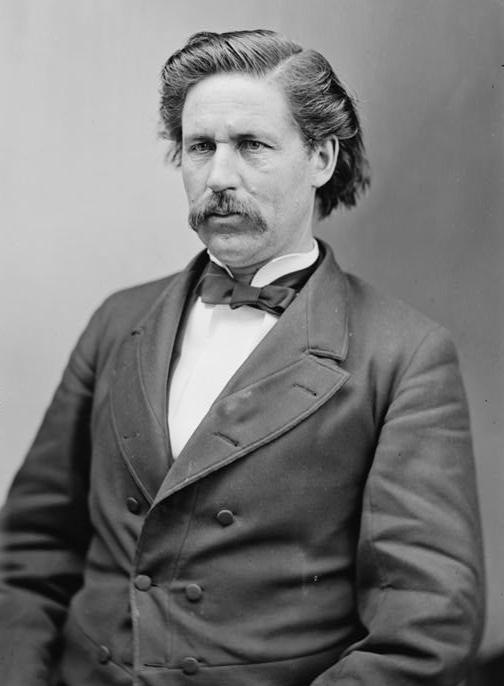
Llewellyn Powers
U.S.A.

Social Media

Personal Background
Llewellyn Powers completed his foundational education at St. Albans Academy and the Colburn Classical Institute before graduating from the law department of Union University, Albany, New York, in 1860. He was admitted to the bar in Albany, New York, and Somerset, Maine, that same year and began practicing law in Houlton, Maine. Powers held various roles in public service, including serving as prosecuting attorney for Aroostook County and collector of customs for the district of Aroostook. He was a member of the Maine House of Representatives for multiple terms and served as its speaker during the 1895 term. Powers also served as Governor of Maine and represented the state in the U.S. Congress.
Political Ideas
Llewellyn Powers's political identity is marked by a blend of progressive legal reforms and pragmatic governance, most notably seen in his abolition of capital punishment in Maine. His career juxtaposes a commitment to localized governance with a willingness to align with broader national movements, as evidenced by his tenure in both state and federal legislatures. Powers's rhetorical style often emphasizes calculated policy decisions that balance regional interests with broader legislative goals. This combination of ideological flexibility and principled stands makes his approach both intriguing and complex.