Locke Craig
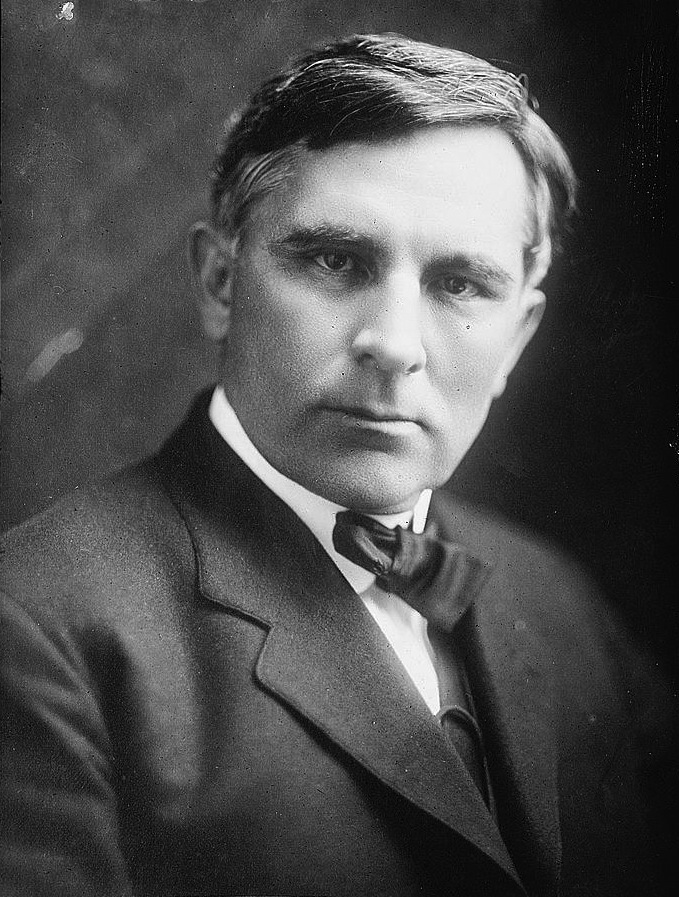
Locke Craig
U.S.A.

Social Media

Personal Background
Locke Craig was born in 1860 in North Carolina and pursued higher education at the University of North Carolina at Chapel Hill, where he later taught chemistry. He was active in the Democratic Party and held positions in state politics, including serving in the North Carolina House of Representatives. Craig transitioned from public service to a legal career and later returned to politics, winning the governorship of North Carolina in 1912. During his tenure, he focused on infrastructure development, education reforms, and conservation efforts, establishing the state's first highway commission and state park.
Political Ideas
Locke Craig's political identity is marked by an intriguing blend of progressive infrastructure initiatives and conservative labor policies. His establishment of the state's first highway commission and efforts to spur economic development through electric power contrast with his endorsement of private contracts for prisoner labor. Craig's decisive action during natural disasters reveals a highly localized approach to governance, balancing regional economic interests with urgent humanitarian needs.