Louis J. Brann
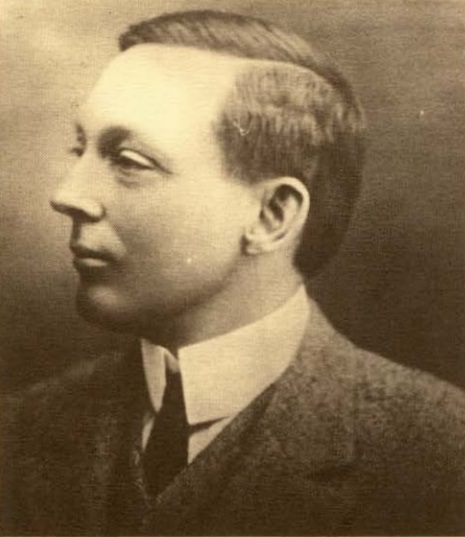
Louis J. Brann
U.S.A.

Social Media

Personal Background
Louis J. Brann graduated from the University of Maine and pursued a legal career, forming a law partnership in the late 1920s. He held various public service roles, including municipal judge and mayor of Lewiston, before being elected Governor of Maine in 1932. During his tenure, he secured significant state bonds for emergency relief and launched initiatives to boost tourism. Brann remained active in civic and advocacy efforts, including support for the establishment of a Jewish state in Mandatory Palestine.
Political Ideas
Louis J. Brann's political identity is marked by a unique blend of progressive economic measures and conservative social advocacy. His legislative initiatives during the Great Depression, like securing emergency relief funds, reflect a forward-thinking approach to economic challenges. Brann's unexpected push for tourism-driven economic development through the "Maine Summer Visitors Day" program shows an innovative strategy to bolster local economies. Additionally, his advocacy for a Jewish state in Mandatory Palestine, juxtaposed with his active participation in various civic and religious organizations, reveals a complex ideological landscape. Brann's rhetorical style likely balances pragmatic economic solutions with principled social advocacy, creating a nuanced political persona.