Lucius Frederick Hubbard
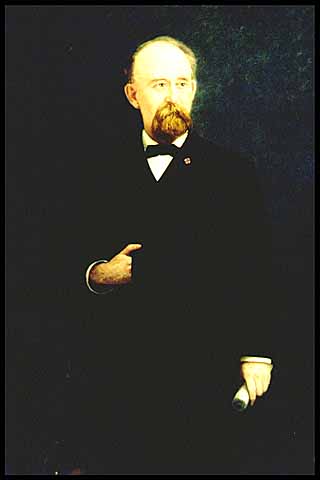
Lucius Frederick Hubbard
U.S.A.

Social Media

Personal Background
Lucius Frederick Hubbard moved to Red Wing, Minnesota at age 21, where he became a publisher and editor. He served in the Union Army during the Civil War, rising to the rank of Colonel and brevet brigadier general. Post-war, he engaged in milling and railroading before entering politics, completing two terms in the Minnesota State Senate. As governor, he advocated for government intervention in various sectors, including public health and education. Later, he took over railroad operations and served as a brigadier general during the Spanish-American War.
Political Ideas
Lucius Frederick Hubbard's political philosophy is marked by a consistent advocacy for government intervention across various sectors, from public health to commerce. Despite his Republican affiliation, his approach to governance reveals an ideological flexibility that defies traditional party lines. Hubbard's championing of a state-run school for dependent children underscores his commitment to social welfare, an unusual stance for someone from his era and party. His military background and subsequent career in business add layers of pragmatism to his policy proposals, revealing a strategic thinker deeply rooted in both public service and private enterprise.