Luke Blackburn
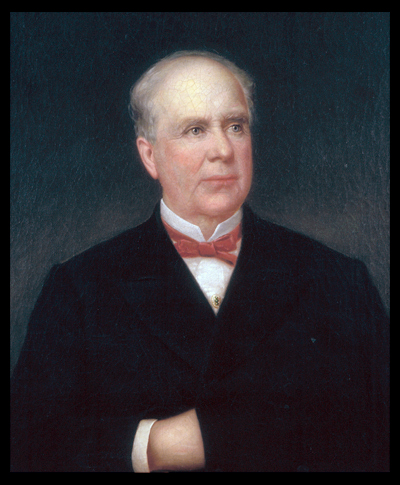
Luke P. Blackburn
U.S.A.

Social Media

Personal Background
Luke Blackburn was born into a politically active family in Kentucky, with relatives who held significant political roles. He earned a medical degree from Transylvania University and established a medical practice in Lexington. During the Civil War, Blackburn sympathized with the Confederacy and engaged in various activities, including serving as a surgeon and acting as an envoy. Post-war, he focused on humanitarian efforts, particularly in combating yellow fever outbreaks, and later transitioned into politics. Blackburn was elected Governor of Kentucky, where he prioritized prison reforms, public health measures, and infrastructure improvements. After his term, he returned to medical practice and opened a sanatorium.
Political Ideas
Luke Blackburn's political identity is marked by a blend of humanitarian zeal and ideological pragmatism, often manifesting in surprising policy alignments. His medical background deeply influenced his public health initiatives, advocating for state-led quarantine measures and novel theories on disease transmission. Blackburn's prison reforms, driven by a moral imperative to improve dire conditions, reveal an unexpected convergence with progressive factions of his time. Despite his reputation for leniency, his economic policies reveal a calculated approach to fiscal responsibility, balancing budget deficits with unpopular but necessary tax increases. Blackburn's strategic, issue-focused approach often saw him navigate complex political landscapes with an unexpected agility.