Lyman Trumbull
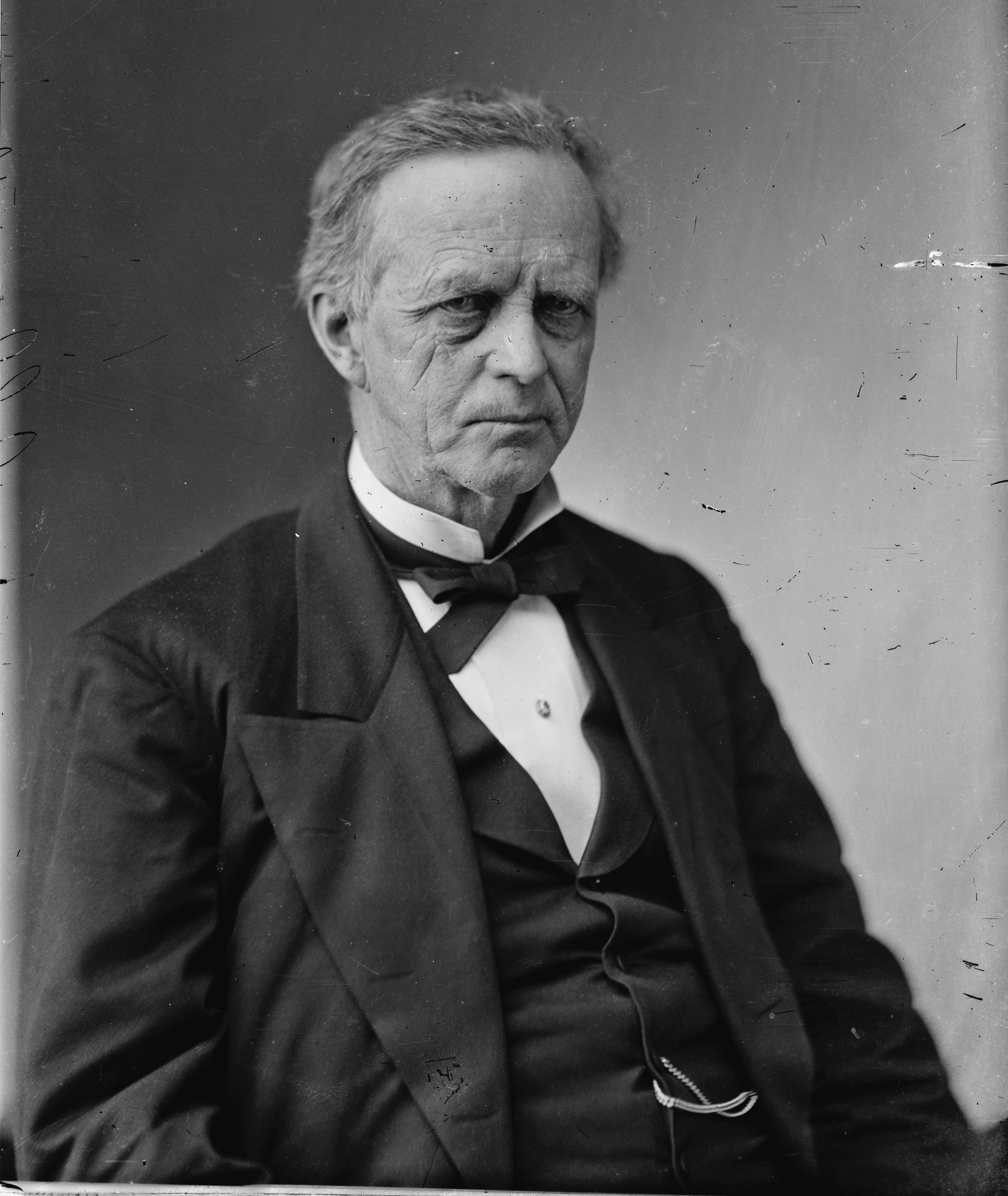
Lyman Trumbull
U.S.A.

Social Media

Personal Background
Lyman Trumbull began his career as an educator before transitioning to law. He practiced law in Illinois and gained early political experience in the state legislature. Trumbull held judicial positions on the Illinois Supreme Court and later served in the U.S. Senate, where he played a pivotal role in shaping national policy. His legal expertise and commitment to public service were evident in his advocacy for the abolition of slavery in Illinois and his involvement in significant legal cases.
Political Ideas
Lyman Trumbull's political identity is marked by an intriguing blend of ideological rigidity and calculated pragmatism. He staunchly opposed the suspension of the State Bank of Illinois, revealing a principled stance on fiscal responsibility. Trumbull's legal career saw him champion the de facto abolition of slavery in Illinois, yet he opposed immediate emancipation and the broader abolitionist movement, revealing a complex approach to civil rights. His advocacy for preserving natural beauty against private ownership, exemplified by his support for Yellowstone National Park, highlights an unexpected alignment with environmental causes. This juxtaposition of firm economic principles with progressive social stances creates a multifaceted political persona.