Lyman Ward
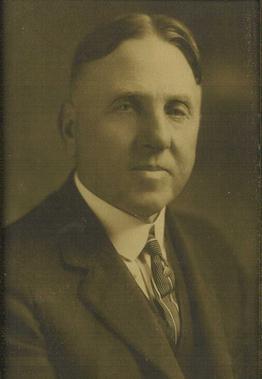
Lyman Ward
U.S.A.

Social Media

Personal Background
Lyman Ward holds a robust educational background, having graduated with a B.S. in divinity studies from St. Lawrence University. He transitioned from his ministerial beginnings to establish the Southern Industrial Institute, focusing on vocational and agricultural education. Ward's leadership in founding and administering this institution for several decades underscores his commitment to practical education. His work in industrial education, including attending the Tuskegee Negro Conference, highlights his dedication to integrating trade courses into public school curricula. Ward's efforts culminated in the Southern Industrial Institute becoming a state-approved school and receiving substantial state funding.
Political Ideas
Lyman Ward's educational philosophy reveals an intriguing blend of vocational training and rational charity, aiming to provide practical skills through non-denominational institutions. His support for integrating trade courses into public schools suggests a forward-thinking approach to economic development. Ward's admiration for Booker T. Washington's work on segregation in industrial education highlights a nuanced stance on race relations, balancing respect for Washington's achievements with his own institutional goals. This juxtaposition of progressive educational ideals with a context of racial segregation presents a complex ideological landscape.