Mari Watanabe
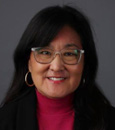
Mari Watanabe
U.S.A.

Social Media

Personal Background
Mari Watanabe has a robust background in nonprofit leadership and community service, marked by a strong commitment to diversity, equity, and inclusion. She founded a Kendo club and an Asian students’ council during her university years, reflecting an early dedication to cultural representation and community building. Watanabe's professional journey includes significant roles in both the public and private sectors, such as serving as the first executive director of the Japanese Museum of Oregon and working with organizations focused on diversity. Her tenure on various boards, including Portland Community College and the Oregon Commission on Asian and Pacific Islander Affairs, underscores her leadership in advocating for inclusive education and economic opportunities for marginalized communities. Watanabe's recognition with the Lifetime Achievement Award from the Oregon Commission for Women further highlights her impactful contributions.
Political Ideas
Mari Watanabe's political identity is shaped by her unique blend of cultural heritage and progressive advocacy, advocating for policies that expand workforce pathways for immigrants while simultaneously championing economic development that benefits diverse communities. Her strategic philosophy is marked by an unexpected convergence of economic and cultural priorities, as seen in her support for inclusive businesses and cultural heritage preservation. Watanabe's rhetorical style is inclusive and community-focused, framing issues through the lens of shared stability and opportunity. Her approach reveals a calculated effort to balance regional industrial interests with broader social equity goals, inviting deeper inquiry into how she reconciles these seemingly disparate priorities.