Marion E. Hay
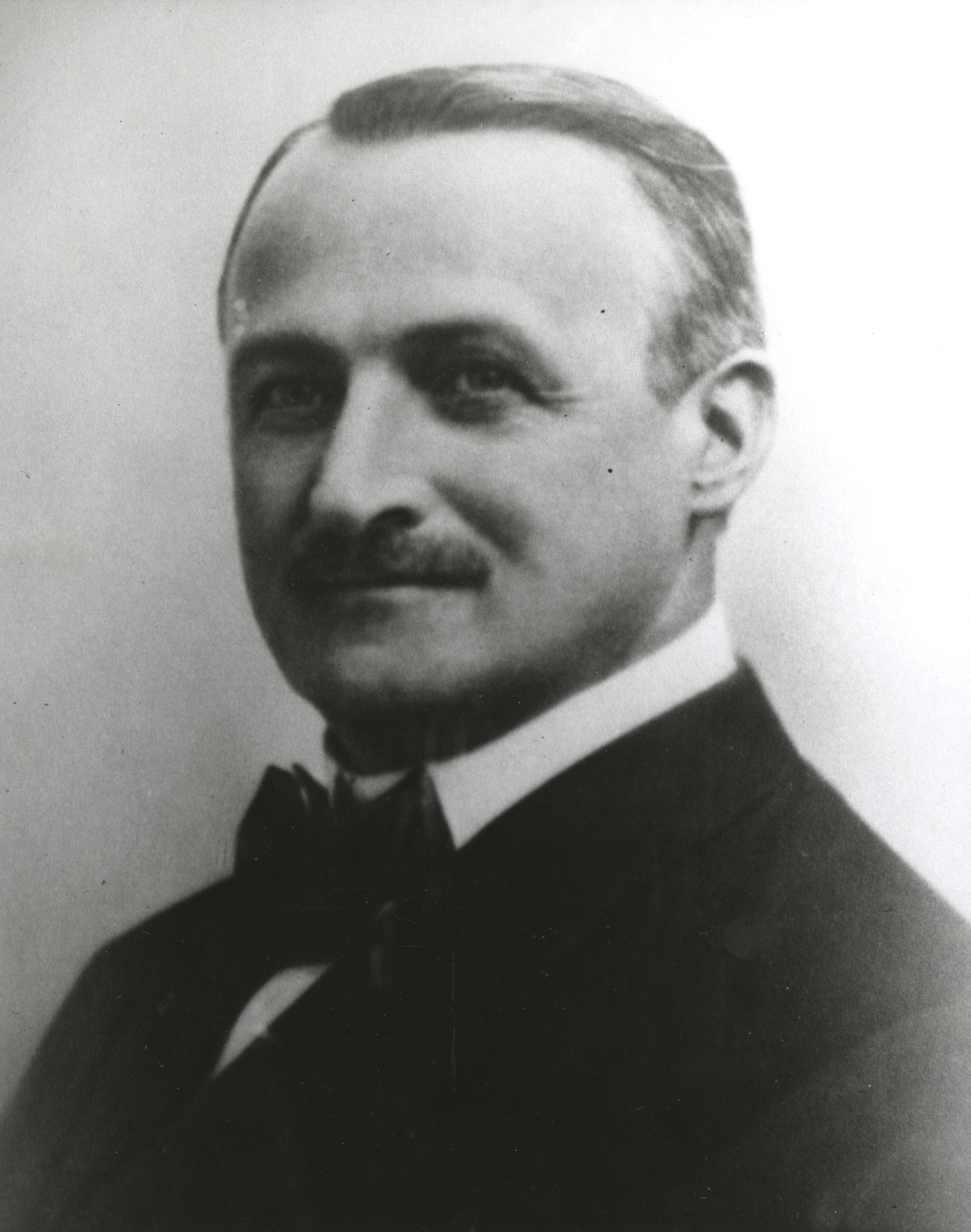
Marion E. Hay
U.S.A.

Social Media

Personal Background
Marion E. Hay was born in Adams County, Wisconsin, and later moved to Washington Territory, where he established a store and wheat ranches. He served two terms as mayor of Wilbur, Washington, and was elected Lieutenant Governor of Washington in 1908. Following the death of Governor Samuel G. Cosgrove, Hay assumed the governorship, serving from 1909 to 1913. He focused on addressing corruption in state government, enacting workman's compensation laws, and supporting women's suffrage during his tenure. After leaving office, Hay returned to managing his business interests and held leadership roles in agricultural credit organizations.
Political Ideas
Marion E. Hay's political identity is marked by an intriguing blend of progressive social reforms and staunch business advocacy. His support for women's suffrage and workman's compensation laws showcases a progressive streak, yet his post-governorship return to managing personal business interests and leadership in regional agricultural credit reveals a commitment to business and agriculture. Hay's approach to corruption in state government, advocating for investigations and impeachments, indicates a principled stance against malfeasance. This combination of progressive social reforms with a dedication to business interests presents a nuanced and somewhat paradoxical political persona, prompting deeper inquiry into how Hay reconciles these seemingly disparate priorities.