Marmaduke Williams
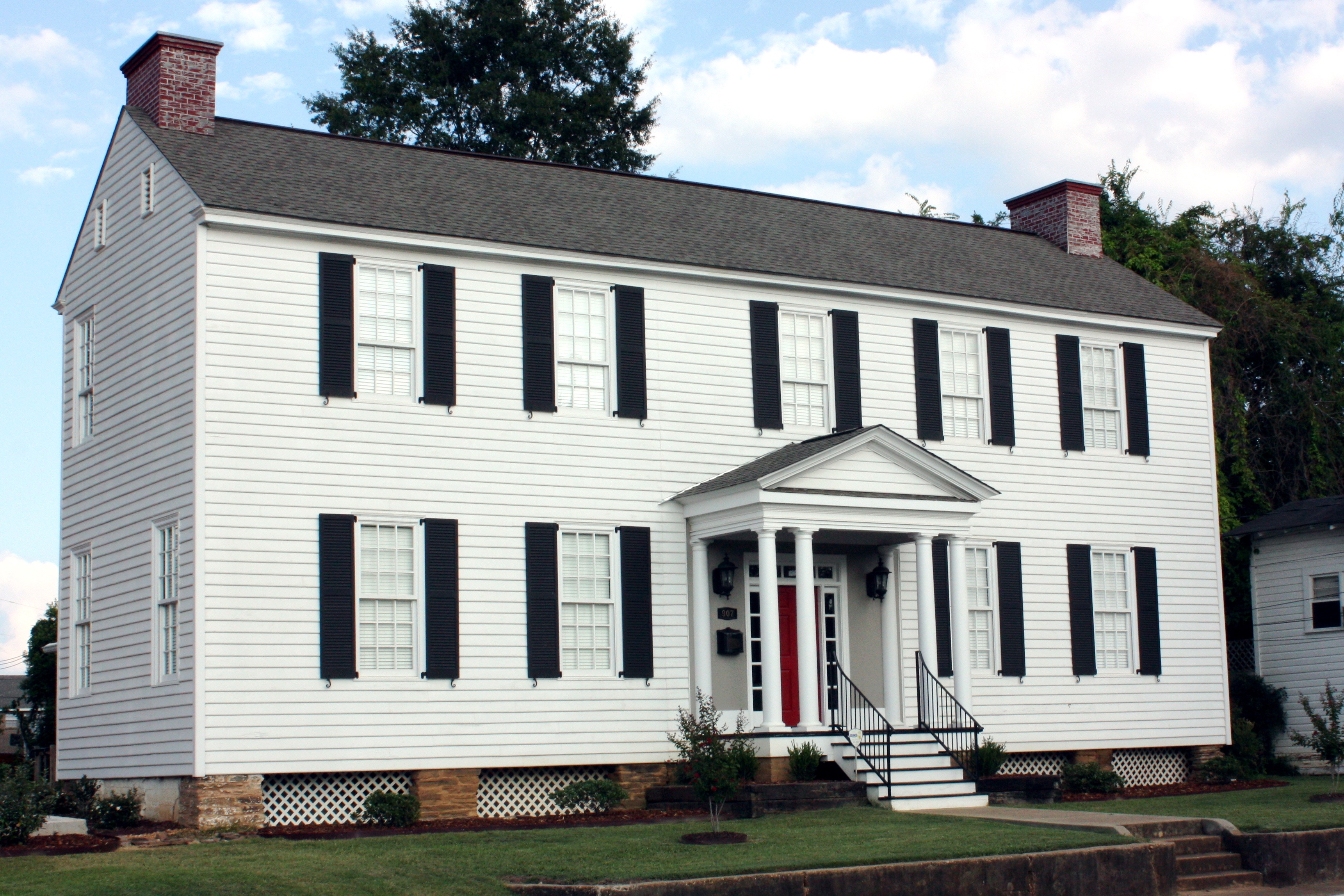
Marmaduke Williams
U.S.A.

Social Media

Personal Background
Marmaduke Williams was admitted to the North Carolina bar in 1802 and subsequently held positions in both state and federal legislative bodies. He transitioned from a legal career to public service, serving in the United States Congress and later in the Alabama House of Representatives. Williams also held judicial roles, including serving as a judge for Tuscaloosa County. His career included significant involvement in the establishment and governance of educational institutions, notably as Secretary of the Board of Trustees of The University of Alabama.
Political Ideas
Marmaduke Williams's political philosophy is marked by a distinctive blend of regional advocacy and historical romanticism. He champions the "zeal and patriotic spirit" of Western settlers, challenging Eastern skepticism about their loyalty, which reveals a deep-seated commitment to regional narratives. His effort to establish Tuscaloosa as Alabama's capital underscores a localized approach to governance, aiming to centralize influence in his adopted home. Williams's rhetorical style often invokes historical and familial ties, as seen in his connections to notable figures like Dolley Madison, adding a layer of personal and historical gravitas to his public persona. These elements together paint a picture of a politician deeply rooted in both regional identity and historical romanticism.