Morris Childs
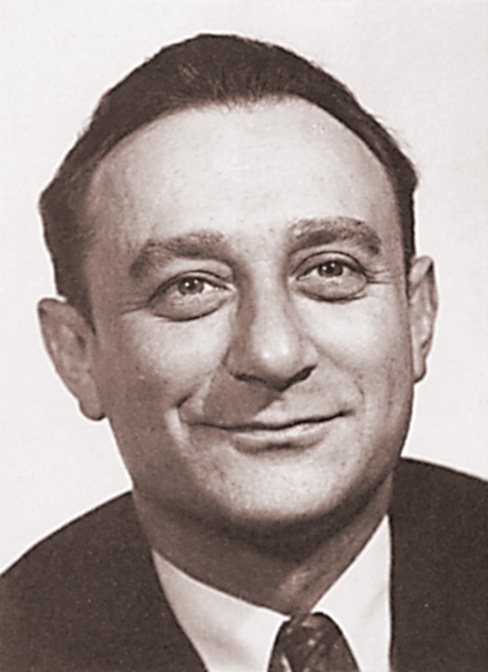
Morris Childs
U.S.A.
Social Media

Personal Background
Morris Childs holds a distinctive background marked by significant involvement in both the Communist Party and espionage activities. He began his career in the United Communist Party of America and later attended the International Lenin School in Moscow, where he became an informer for the Soviet secret police. After returning to the United States, he worked for the CPUSA and eventually became an editor for The Daily Worker. His career took a pivotal turn when he became a secret informant for the FBI, providing critical intelligence on Soviet and CPUSA operations. Childs's espionage activities culminated in missions to Moscow and recognition from both the Soviet Union and the United States government.
Political Ideas
Morris Childs blends a lifelong commitment to Soviet interests with a strategic shift to American counterintelligence, revealing a complex ideological journey. His early involvement in Soviet espionage for the CPUSA contrasts sharply with his later role as a double agent for the FBI, showcasing an ideologically agile approach. Childs's unique policy stance includes facilitating substantial Soviet subsidies to the CPUSA, indicative of a highly localized strategy to bolster regional party interests. His rhetorical style likely balances loyalty to communist ideals with pragmatic maneuvers to navigate and influence American political landscapes.