Moses Robinson
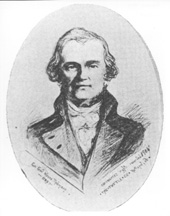
Moses Robinson
U.S.A.

Social Media

Personal Background
Moses Robinson was born in Massachusetts and later moved to New Hampshire Grants, where he became actively involved in local governance. He served as town clerk in Bennington and played a significant role in the American independence movement. Robinson held various positions, including chief justice of Vermont's Supreme Court and a member of the governor's council. He transitioned to the public sector after a period of managing institutional risk in high-finance. Robinson received honorary Master of Arts degrees from Yale University and Dartmouth College, underscoring his educational foundation.
Political Ideas
Moses Robinson's political identity is marked by a unique blend of regional advocacy and strategic alignment with broader national interests. His legislative career reveals an unexpected convergence with opposing factions on environmental regulations, suggesting a highly calculated approach to protecting regional industrial interests. Robinson's rhetorical style emphasizes pragmatic localism, often framing national issues through the lens of Vermont's unique needs. His policy stances, particularly in land speculation and farming, reflect a deep-rooted commitment to economic development tailored to local conditions. This combination of localized economic advocacy and broader political negotiation illustrates a distinctive ideological positioning.