Moses Wisner
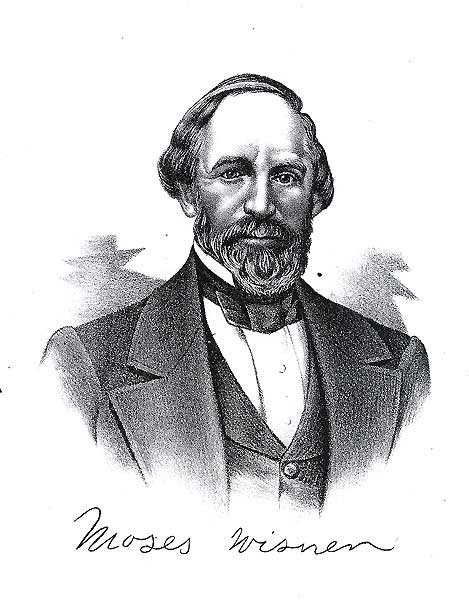
Moses Wisner
U.S.A.

Social Media

Personal Background
Moses Wisner, born in 1815 in Springport, New York, established a robust career in law and public service. He moved to Michigan in 1837, eventually settling in Pontiac, where he was admitted to the bar in 1841. Wisner served as the prosecuting attorney for Lapeer County and became a prominent figure in the anti-slavery movement, criticizing the Kansas-Nebraska Act. He was elected the 12th governor of Michigan, serving from 1859 to 1861, and later raised the 22nd Michigan Infantry during the Civil War, where he served as a colonel until his death in 1863.
Political Ideas
Moses Wisner's political identity is marked by a blend of ideological rigidity and strategic flexibility, particularly in his anti-slavery stance and military leadership. His vocal opposition to the Kansas-Nebraska Act reveals a principled stand against expanding slavery, yet his legislative actions as governor of Michigan suggest a pragmatic approach to regional economic interests. Wisner's rhetorical style is compelling, often framing moral imperatives in terms of practical governance, leaving an intriguing tension between his ideological convictions and political maneuvers.