Napoleon B. Broward
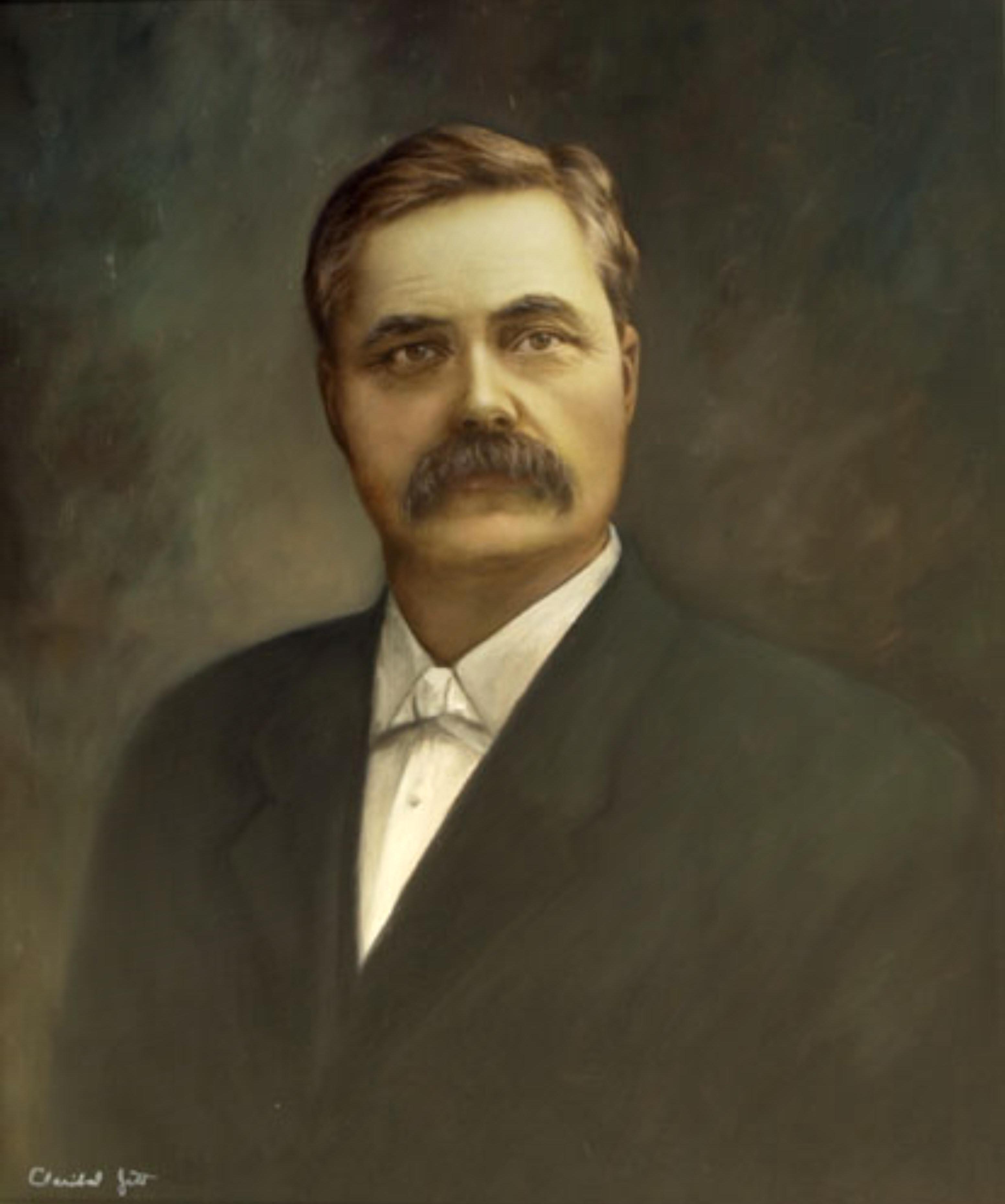
Napoleon B. Broward
U.S.A.

Social Media

Personal Background
Napoleon B. Broward was born in Jacksonville, Florida, and began his career in maritime roles before transitioning to public service. He completed his secondary education and subsequently held various positions in shipping and steamboat piloting. Broward's public sector career included serving as sheriff of Duval County and multiple terms in the Florida House of Representatives. His tenure as Florida's 19th governor from 1905 to 1909 was marked by significant infrastructure projects, particularly the controversial drainage of the Everglades. Broward's leadership and advocacy for state education and hospital reforms underscore his commitment to public service and state development.
Political Ideas
Napoleon B. Broward's political identity is marked by a blend of ambitious environmental engineering and deeply controversial racial ideologies. His push for Everglades drainage, driven by a vision to transform wetlands into fertile farmland, reveals an ideologically driven approach to land use. Broward's willingness to confront opposition and secure federal support, even from President Roosevelt, indicates a highly strategic political maneuvering. However, his racially exclusionary policies, including advocating for the physical removal of African Americans, create a stark conceptual tension that juxtaposes his progressive environmental initiatives with regressive social policies.