Nelson Dingley Jr.
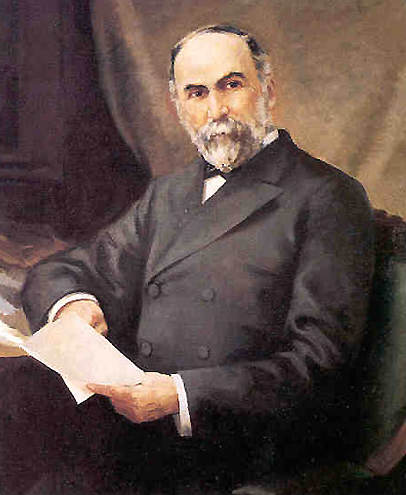
Nelson Dingley Jr.
U.S.A.

Social Media

Personal Background
Nelson Dingley Jr. was born in 1832 in Durham, Maine, and graduated from Dartmouth College in 1855. He subsequently earned an LL.D. from Bates College and was admitted to the bar in 1856. Dingley held various roles in the Maine House of Representatives, including serving as Speaker in 1863 and 1864. He transitioned to the governorship of Maine in 1874 and later represented Maine in the U.S. House of Representatives from the 47th to the 55th Congress, where he chaired the U.S. House Committee on Ways and Means in 1894. He directed the creation of the Dingley Tariff in 1897, which significantly influenced tariff policy.
Political Ideas
Nelson Dingley Jr. presents an intriguing blend of protectionist economic policies and strategic legislative maneuvering. Advocating for the Dingley Tariff, he championed higher tariffs to shield American industries, yet his approach to trade negotiations included a surprising element of reciprocity, suggesting a calculated balance between protection and potential openness. His long tenure in both state and federal legislatures, including leadership roles, indicates a deeply ingrained commitment to governance, possibly driven by a localized focus on Maine's industrial interests. This juxtaposition of staunch economic protectionism with a nuanced trade strategy merits further exploration into how Dingley reconciles these positions.