Nicholas Cooke
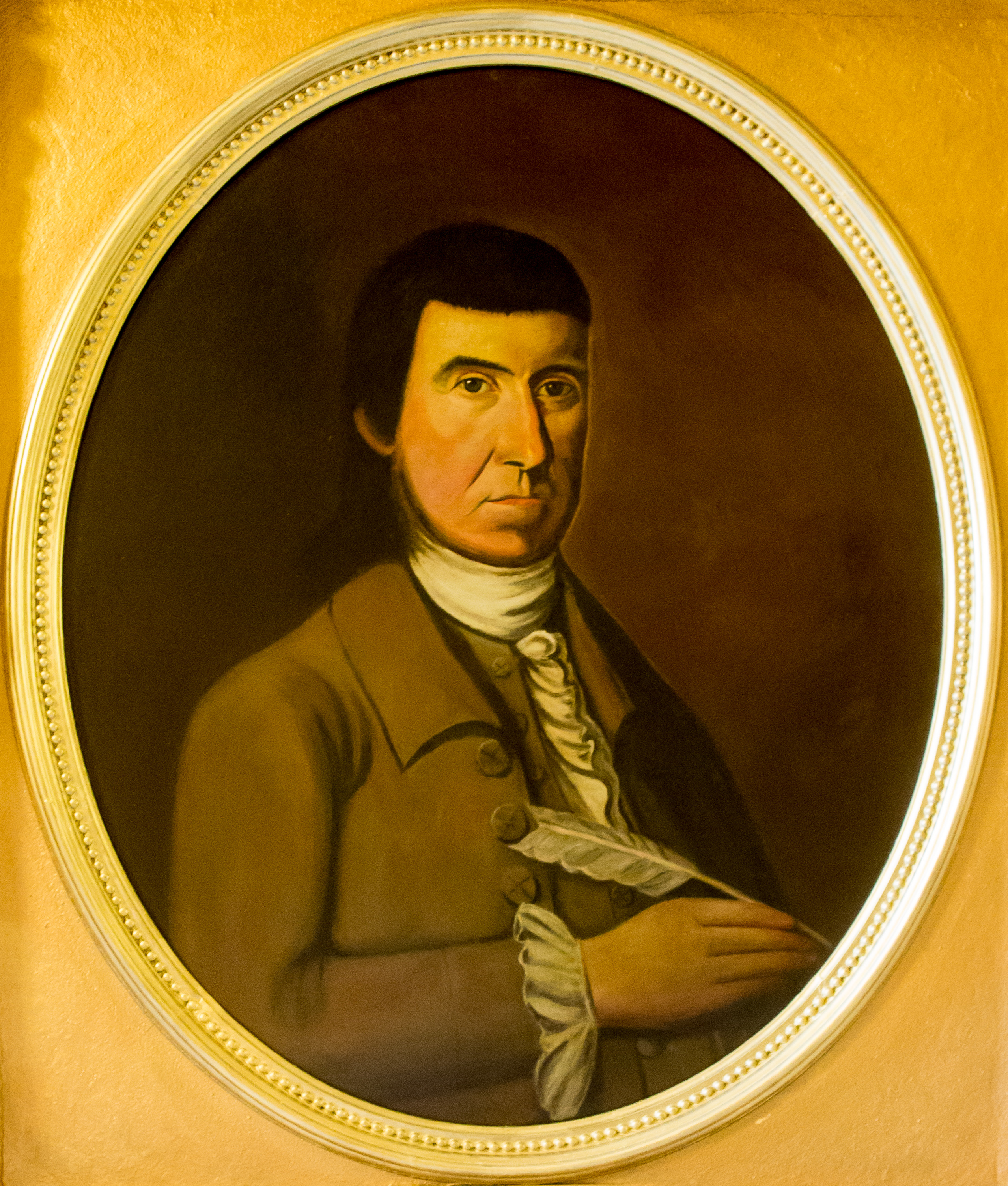
Nicholas Cooke
U.S.A.

Social Media

Personal Background
Nicholas Cooke began his career at sea, eventually becoming a ship captain involved in slave trading and operating a distillery and rope-making business. He transitioned into public service, holding various elected positions in Providence, including serving as an assistant from 1752. Cooke played a pivotal role in the establishment of Brown University, serving as a trustee from 1766 until his death. He served as Deputy Governor under two governors and succeeded to the governorship in 1775, leading the colony through the early years of the American Revolution. During his tenure, he implemented economic measures to counter British influence and coordinated defense efforts with key military leaders.
Political Ideas
Nicholas Cooke’s political identity is marked by an intriguing blend of mercantile acumen and evolving ideological stances. Initially involved in slave trading and mercantile ventures, Cooke later implemented stringent economic measures against British goods during the colonial strife. His governance roles, from local assistant to Deputy Governor and Governor, reveal a calculated approach to regional interests, especially evident in his unexpected wartime economic policies. Cooke’s ideological shift from Loyalist sympathies to fervent support for independence showcases a highly localized and adaptive political strategy.