Oliver P. Morton
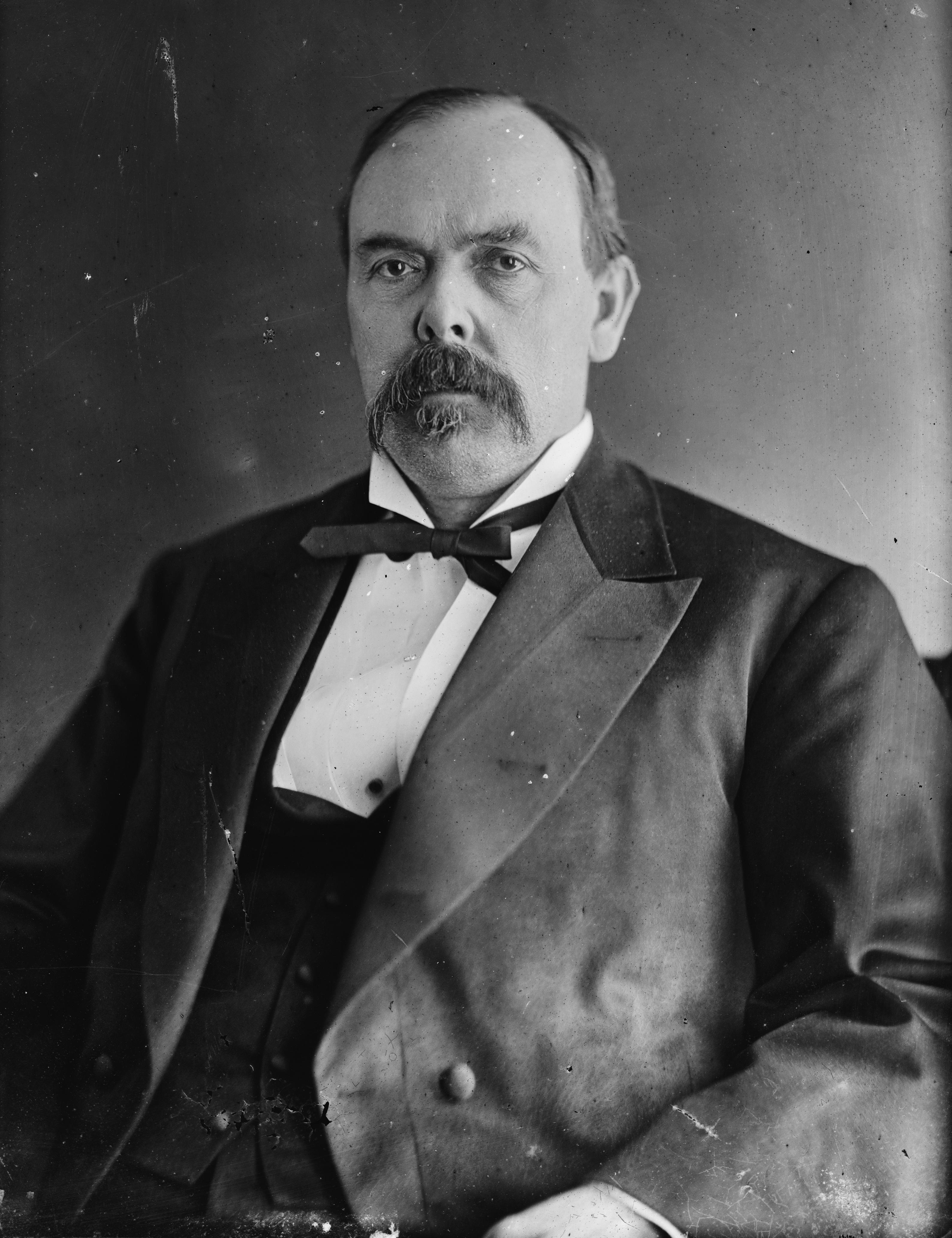
Oliver P. Morton
U.S.A.

Social Media

Personal Background
Oliver P. Morton, raised in Indiana and Ohio, established a career in law before entering politics. He served as a circuit court judge and later joined the Republican Party. Morton held significant roles during the Civil War, including mobilizing state volunteers and managing state finances. He transitioned from state to federal governance, serving as governor of Indiana and later as a U.S. Senator, where he chaired the Committee of Privileges and Elections. Morton's political career was marked by his unwavering support for the Union, his advocacy for stringent post-war measures, and his evolving stance on economic policy.
Political Ideas
Oliver P. Morton's political identity is marked by a rigid commitment to Union preservation during the Civil War, coupled with an ideological flexibility regarding economic policies. Morton's aggressive stance against any compromise with the southern states reveals a highly principled approach to national unity, yet his shift from opposing to supporting black suffrage indicates an ideological adaptability on civil rights issues. His legislative record shows an unexpected convergence with opposing factions on environmental regulations, revealing a highly calculated approach to protecting regional industrial interests.