Orville Freeman
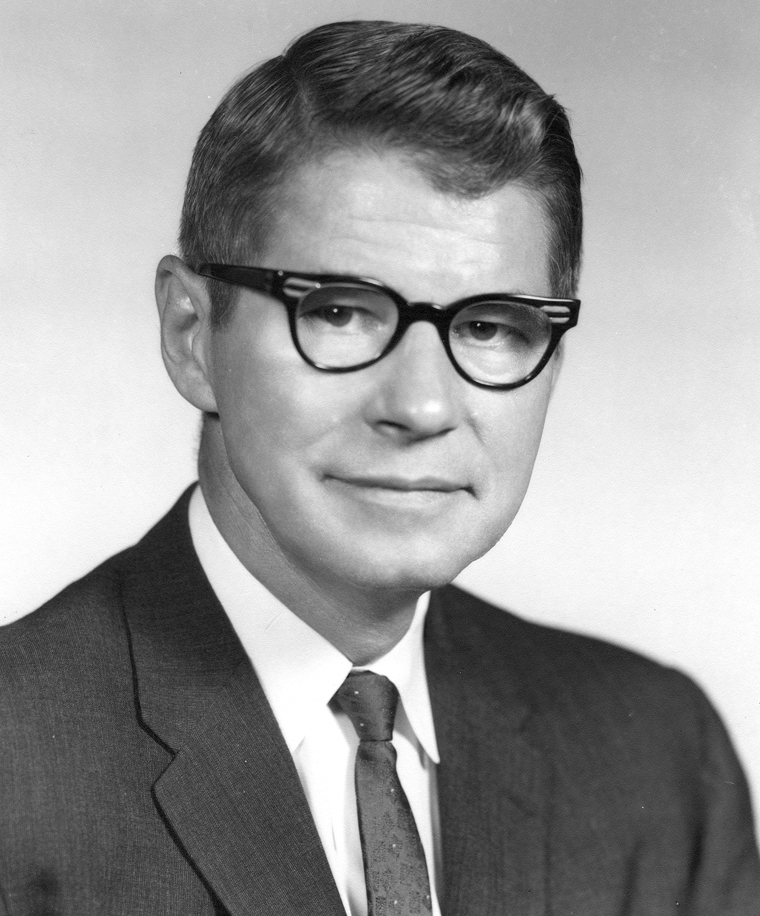
Orville Freeman
U.S.A.

Social Media

Personal Background
Orville Freeman graduated magna cum laude and Phi Beta Kappa from the University of Minnesota before earning his LL.B. from the University of Minnesota Law School. He served as an infantry officer in World War II, participating in the Bougainville Campaign, and was wounded in action. Freeman held various leadership roles within the Minnesota Democratic-Farmer-Labor Party and managed a U.S. Senate campaign. He spent nearly a decade in public service, including as governor of Minnesota and U.S. Secretary of Agriculture. Post-government, Freeman led two consulting businesses and served as President and CEO of Business International Corporation.
Political Ideas
Orville Freeman's political identity is marked by an unexpected blend of progressive social welfare initiatives and a cautious approach to governance. His proposal for the Food Stamp Program highlights a commitment to alleviating poverty, while his declaration of martial law during a strike, later deemed inappropriate, reveals a complex stance on authority and labor relations. Freeman's strategic philosophy seems to balance idealism with a pragmatic wariness of overreach.