Oswald West
Oswald West
U.S.A.

Social Media

Personal Background
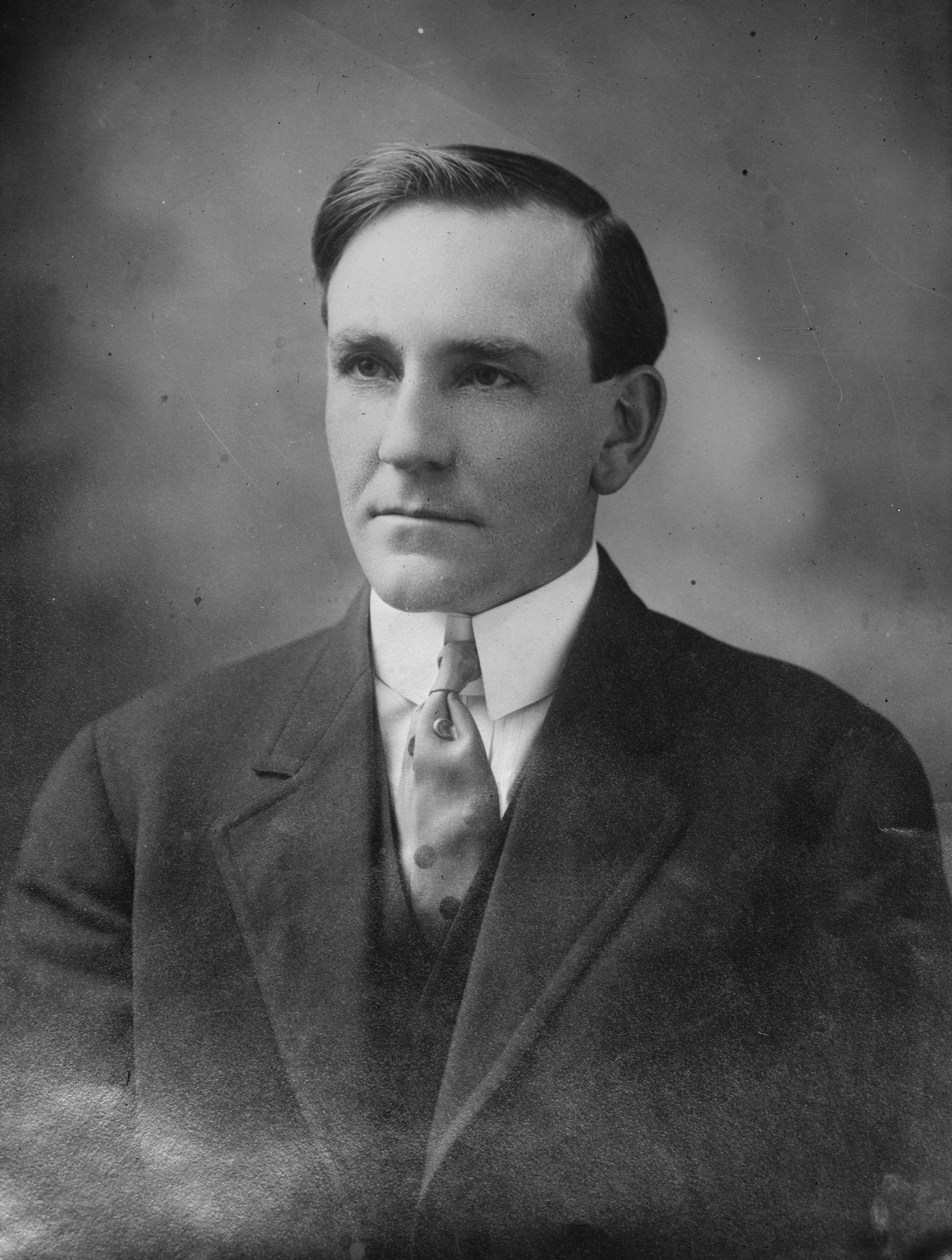
Oswald West spent his formative years in Salem, Oregon, following a move from Canada in early childhood. He gained early professional experience in banking and ventured into gold prospecting. West's public service career began with his appointment as State Land Agent, where he successfully recovered nearly a million acres of fraudulently held state land. He later served on the Oregon Railroad Commission. West's leadership was marked by his advocacy for the initiative and referendum systems, women's suffrage, workers' rights, and prohibition. He established Oregon's beach highway law and the state's highway system. West's tenure as governor was also characterized by his controversial stances on moral reforms, including support for eugenics laws and the use of martial law to enforce prohibition.
Political Ideas
Oswald West's political identity is marked by a distinctive blend of progressive governance and moral conservatism. He championed the initiative and referendum systems, women's suffrage, and workers' rights while simultaneously advocating for stringent prohibition and eugenics laws. West's approach to governance often involved unexpected alliances and calculated policy choices, such as his unexpected convergence with opposing factions on environmental regulations. His tenure as governor was characterized by bold actions, including declaring martial law to enforce prohibition, showcasing a highly localized and disruption-oriented style.