Paul McNutt
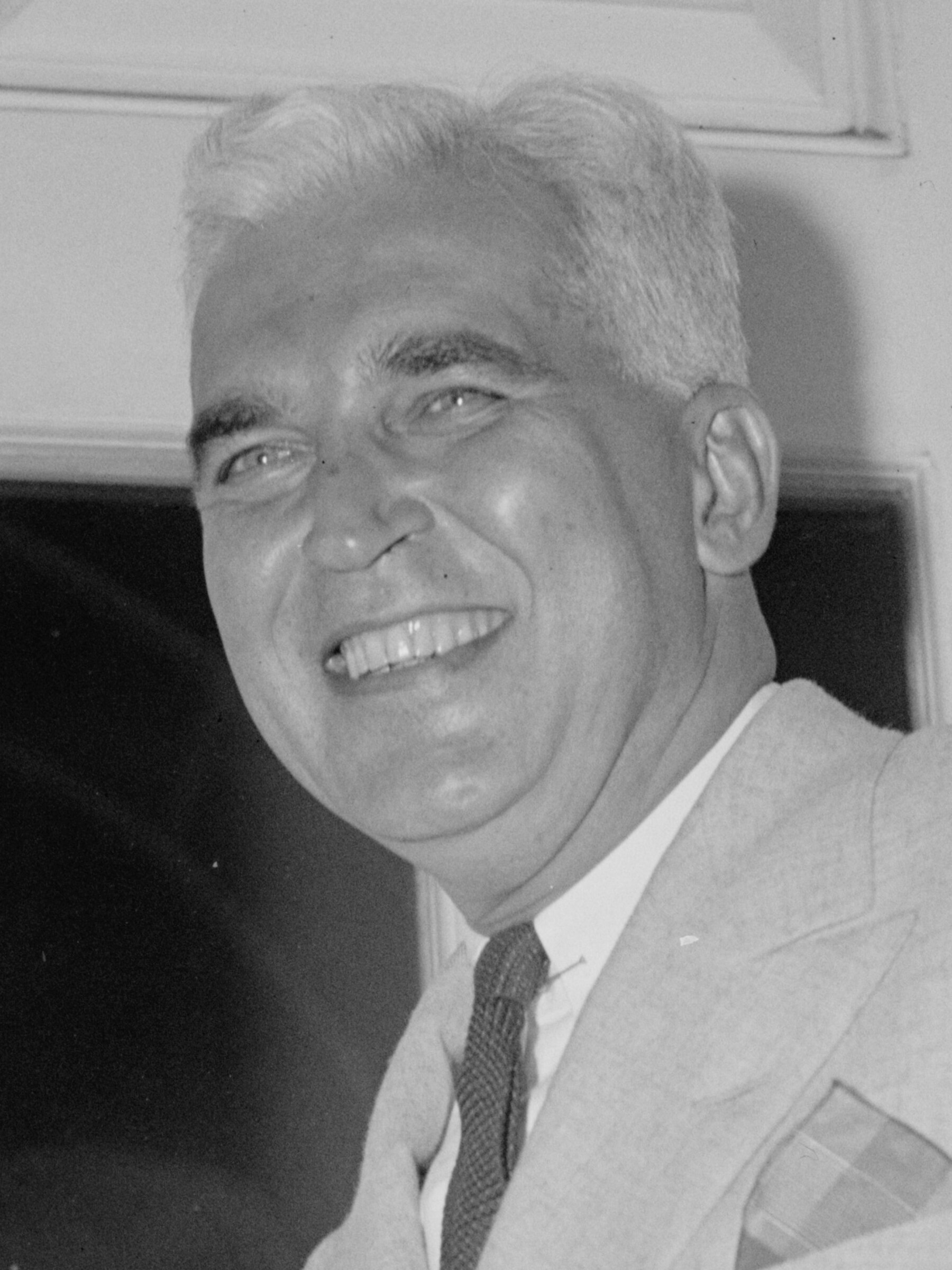
Paul Vories McNutt
U.S.A.

Social Media

Personal Background
Paul McNutt graduated from Indiana University and Harvard Law School, establishing a strong educational foundation. He served in the military during World War I and later held academic roles at Indiana University, including dean of the School of Law. McNutt transitioned to public service, becoming governor of Indiana during the Great Depression, where he focused on economic recovery and welfare programs. He later served in various high-level federal positions, including as High Commissioner to the Philippines and chairman of the War Manpower Commission, showcasing his leadership and administrative capabilities.
Political Ideas
Paul McNutt's political identity is marked by a blend of progressive economic policies and a forceful governance style. He advocated for a gross income tax and legalized alcohol sales to fund state programs, revealing a willingness to adopt unconventional fiscal measures. His tenure as High Commissioner to the Philippines and U.S. ambassador showcased a complex stance on foreign policy, including controversial decisions on immigration and martial law. McNutt's rhetoric often carried a blunt, unapologetic tone, exemplified by his extreme wartime statements, which juxtapose his otherwise pragmatic policy approaches.