Philip Schuyler
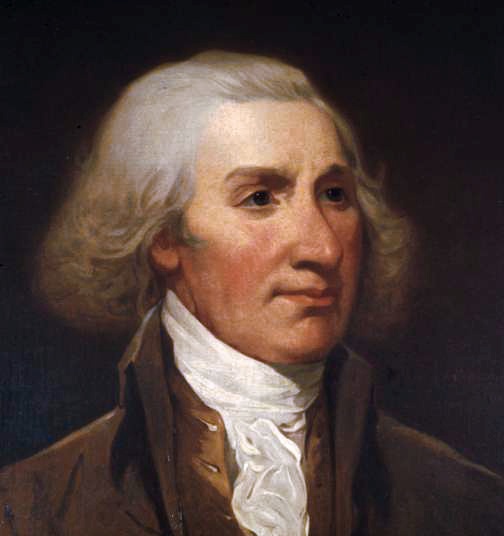
Philip Schuyler
U.S.A.

Social Media

Personal Background
Philip Schuyler was born into a prominent family in Albany, New York, and received early education in both public and private settings. He gained military experience during the French and Indian War, later serving in the New York Assembly and the Continental Congress. Schuyler played a significant role in the American Revolution, including planning the Invasion of Quebec and defending the Northern Department. He transitioned from military to political roles, serving as a U.S. Senator and founding the New York Manumission Society, which advocated for gradual abolition of slavery.
Political Ideas
Philip Schuyler's political identity is marked by a complex blend of military pragmatism and progressive abolitionism. Despite owning slaves and managing lucrative business ventures, he gradually emancipated his slaves and founded the New York Manumission Society. His military career, particularly in the American Revolution, showcases a strategic focus on regional defense, yet he criticized the quality of reinforcements, hinting at a critical stance on military preparedness. Schuyler's support for the U.S. Constitution and affiliation with the Federalist Party further underscore his commitment to a strong central government, yet his evolving views on slavery suggest an ideological flexibility that challenges traditional party lines.