Preston Leslie
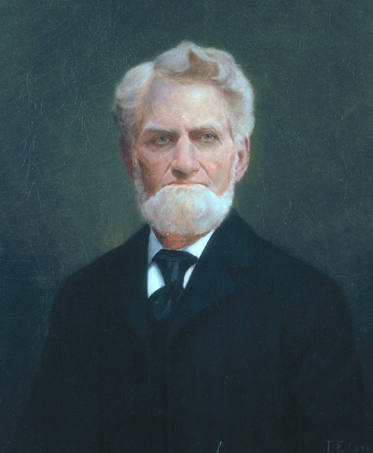
Preston Leslie
U.S.A.

Social Media

Personal Background
Preston Leslie was born in Clinton County, Kentucky, and developed early work experience on a family farm and through various odd jobs. He pursued a legal career, gaining admission to the bar in 1840 and subsequently relocating to Tompkinsville, Kentucky, where he worked as a farmer and county attorney. Leslie's professional journey included a decade-long stint in the Kentucky House of Representatives and Senate, where he focused on legislative reforms. He transitioned to managing a prosperous estate, which included land in Texas, and later served as Governor of Kentucky, emphasizing post-war recovery and anti-Ku Klux Klan legislation. Leslie's career also encompassed judicial roles, including service on the Glasgow circuit court and as U.S. district attorney of Montana.
Political Ideas
Preston Leslie's political career is marked by an intriguing blend of progressive civil rights advocacy and cautious economic pragmatism. He supported the establishment of an educational system for blacks and endorsed legislation against Ku Klux Klan activities, yet allowed the Southern Railroad Bill to pass despite personal reservations, driven by economic incentives. His tenure saw improvements in the penal system and liquor regulations, reflecting a calculated approach to law and order. Leslie's pardon of a prostitute highlights a surprising leniency towards social issues, revealing a nuanced stance that balances moral conservatism with pragmatic governance.