Quentin Burdick
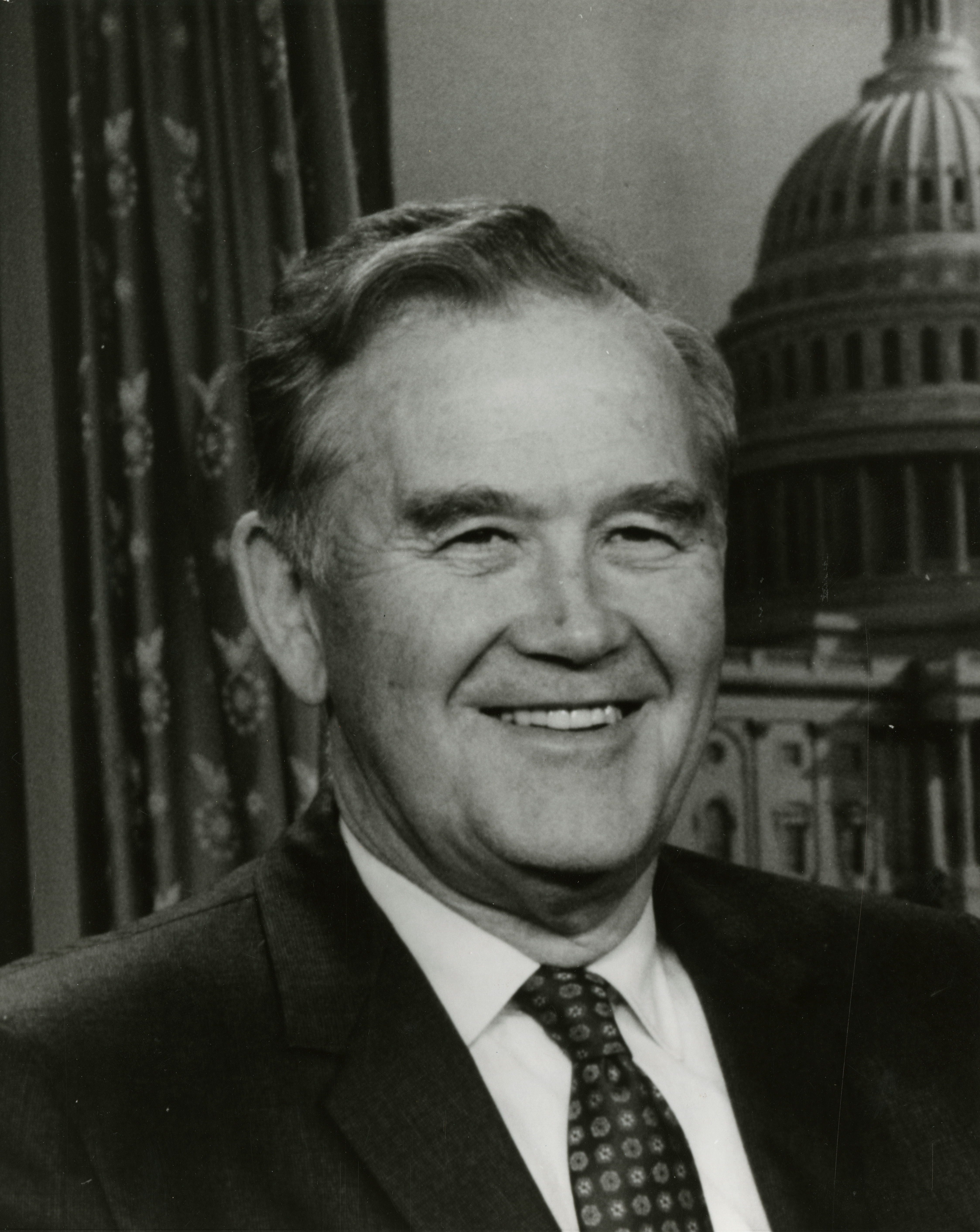
Quentin Burdick
U.S.A.

Social Media

Personal Background
Quentin Burdick graduated from the University of Minnesota and its law school, establishing a solid educational foundation. He began his career in law, joining his father's firm in Fargo. Burdick transitioned into public service, eventually being elected to the U.S. House of Representatives and later to the U.S. Senate, where he served for several terms. He chaired the Senate Environment and Public Works Committee, demonstrating leadership in environmental policy. Burdick's professional background includes a focus on agriculture and federal funding for North Dakota, reflecting a deep commitment to his home state.
Political Ideas
Quentin Burdick's political identity is marked by a distinctive blend of economic populism and environmental stewardship. He championed high price supports and strict production controls for grains, aligning with traditional populist economics while simultaneously serving as chairman of the Senate Environment and Public Works Committee. Burdick's legislative efforts often focused on securing federal funds for North Dakota, showcasing a highly localized approach. Notably, his opposition to confirming David Souter to the Supreme Court in 1990 reveals a strategic alignment with judicial figures despite his broader ideological stances.