Reuben Chapman
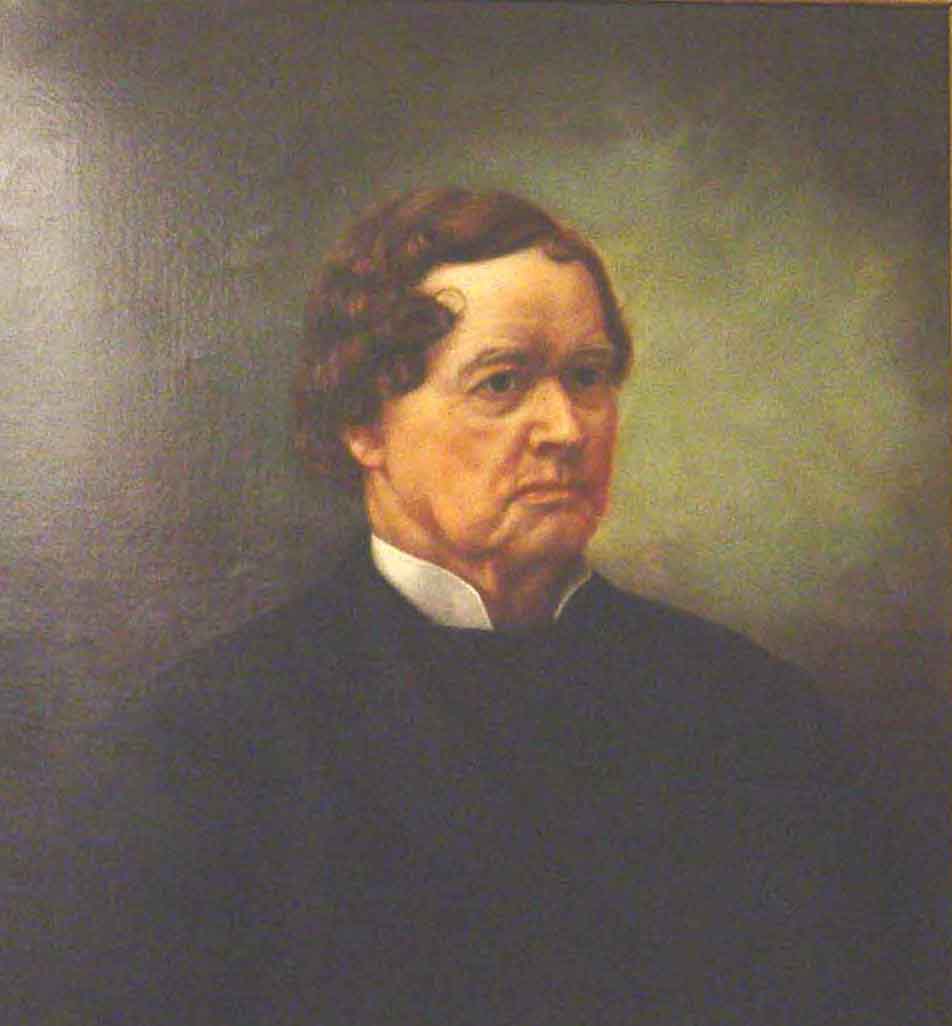
Reuben Chapman
U.S.A.

Social Media

Personal Background
Reuben Chapman was born in 1799 in Bowling Green, Virginia, and later moved to Alabama where he established a law practice in 1824. He spent over two decades in public service, including six terms in the U.S. House of Representatives and two years as the 13th governor of Alabama. Chapman also contributed to the financial sector, serving on the board of the Old Bank of Decatur during the 1870s and 1880s. His career was marked by a significant diplomatic conflict with French ambassador Louis Adolphe Aimé Fourier, comte de Bacourt, which culminated in a duel challenge in 1844 and led to President James K. Polk requesting the ambassador's replacement in 1846.
Political Ideas
Reuben Chapman's political identity is marked by an intriguing blend of regional economic advocacy and an assertive approach to foreign relations. He championed industrial and infrastructural growth in Alabama, yet his confrontational stance with French ambassador Louis Adolphe Aimé Fourier, comte de Bacourt, culminating in a duel challenge, highlights a highly confrontational diplomatic style. This unexpected convergence of economic pragmatism and diplomatic belligerence reveals a calculated strategy to protect and promote regional interests, even at the risk of international conflict.