Richard Irvine Manning I
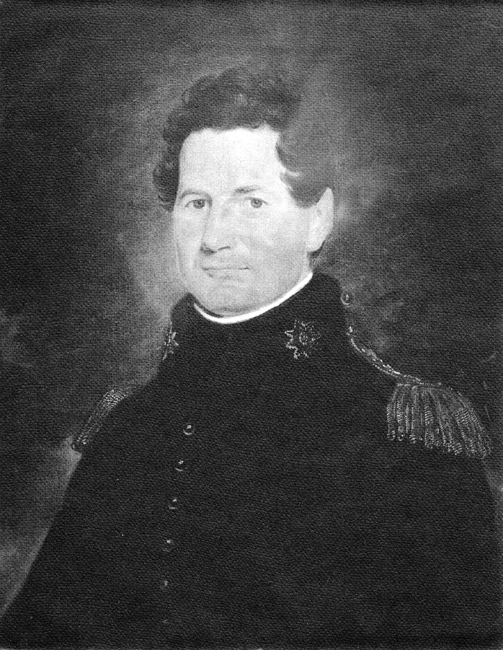
Richard Irvine Manning I
U.S.A.

Social Media

Personal Background
Richard Irvine Manning I was born in 1789 in the Sumter District and graduated from South Carolina College in 1811, where he was a member of the Clariosophic Society. Manning served as a captain in the South Carolina militia during the War of 1812 and later transitioned to political leadership, being elected to the South Carolina House of Representatives and subsequently to the governorship. He spent significant time advocating for legal reforms, particularly concerning the Negro Laws, and held a congressional seat for a brief period. Manning's career highlights his dedication to public service and reform within the political landscape of his time.
Political Ideas
Richard Irvine Manning I's political identity is marked by a blend of progressive criminal justice reforms with staunch support for the planter class. His advocacy for ending execution by burning and jury trials for capital cases in the Negro Laws reveals an unexpected progressive streak. Manning's economic policies, however, remain deeply rooted in protecting and promoting the interests of South Carolina's agricultural sector. His ideological agility, navigating between reform and conservatism, creates a compelling tension worth exploring further.