Richard J. Hughes
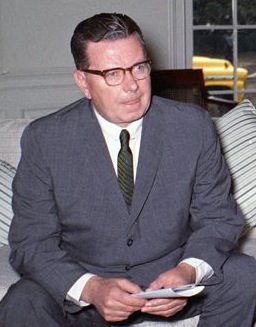
Richard J. Hughes
U.S.A.

Social Media

Personal Background
Richard J. Hughes holds a robust educational background, having graduated from Cathedral High School, Saint Joseph's University, and New Jersey Law School. He began his career in law, transitioning from private practice to federal prosecution and eventually to the judiciary. Hughes served as a judge in various courts before being appointed as governor of New Jersey, where he focused on state taxation and academic freedom. Following his governorship, he was appointed Chief Justice of the New Jersey Supreme Court, where he played a pivotal role in landmark cases such as the Karen Ann Quinlan case. After retiring from the judiciary, Hughes returned to private practice.
Political Ideas
Richard J. Hughes's political career reveals a unique blend of ideological pragmatism and principled stands. His support for state personal income tax and sales tax during his governorship, juxtaposed with his advocacy for academic freedom, demonstrates an ability to balance fiscal responsibility with individual rights. As chief justice, Hughes's ruling in the Karen Ann Quinlan case highlights his progressive stance on personal autonomy, even when it challenges traditional medical ethics. This combination of fiscal conservatism and progressive social stances creates a compelling, if somewhat paradoxical, political identity.