Richard Kirman Sr.
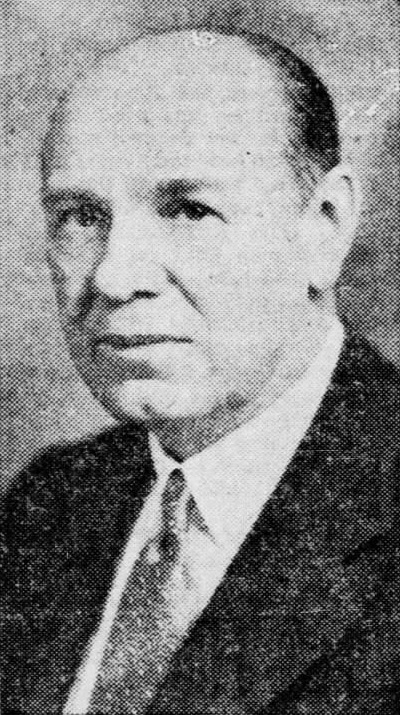
Richard Kirman Sr.
U.S.A.

Social Media

Personal Background
Richard Kirman Sr. was educated in the Nevada public school system and graduated from Lincoln High School. He began his career in banking, eventually becoming President of Reno's First National Bank, where he demonstrated leadership during the Great Depression. Kirman held various public sector roles, including serving in the Nevada State Assembly and as Mayor of Reno. He was appointed to the University of Nevada Board of Regents and later won the Democratic nomination for Governor of Nevada in 1934, where he implemented significant infrastructure projects and state planning initiatives.
Political Ideas
Richard Kirman Sr.'s political identity is marked by a blend of traditionalism and progressive pragmatism, especially in his economic and infrastructural policies. His banking background and leadership during the Great Depression reveal a deep-rooted commitment to financial stability, yet he simultaneously pushed for ambitious public works like the Hoover Dam. Kirman Sr.'s creation of Nevada's state park system and establishment of the state planning board suggest an innovative approach to governance, balancing economic conservatism with forward-thinking public infrastructure initiatives. His consistent policy stances across various roles hint at a calculated, ideologically agile strategy that prioritizes long-term regional benefits.