Robert Milligan McLane
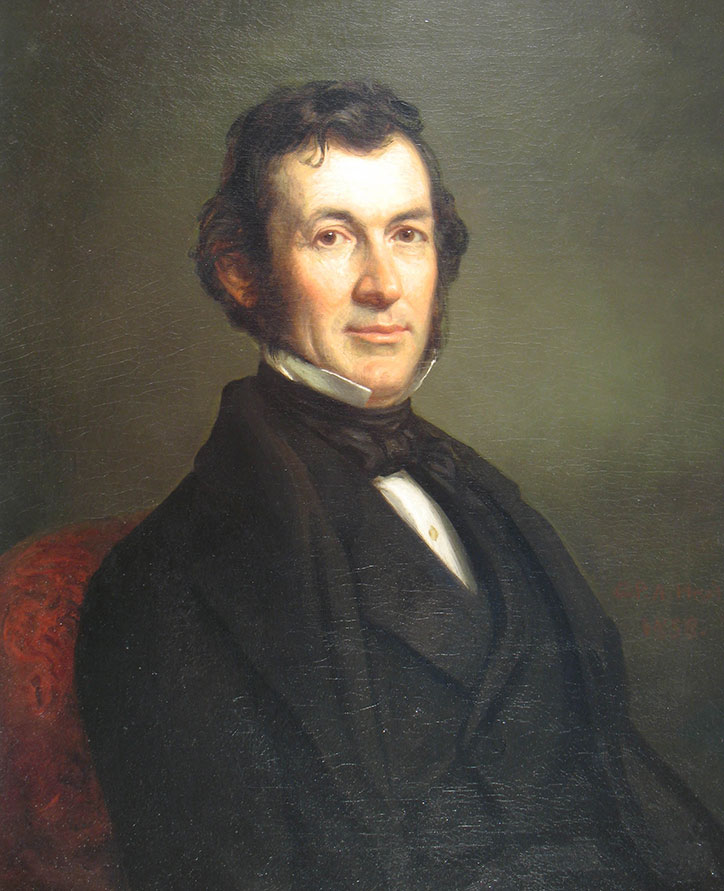
Robert Milligan McLane
U.S.A.

Social Media

Personal Background
Robert Milligan McLane began his career as a cadet at the United States Military Academy at West Point, graduating in 1837. He served in the U.S. Army, participating in the Seminole War and conducting survey work in the Northern Lakes and Europe. After resigning from the military in 1843, McLane pursued a legal career, eventually entering politics and serving in the U.S. House of Representatives. His diplomatic career included roles as commissioner to China and envoy to Mexico, among other countries, where he focused on securing commercial relations and negotiating treaties. McLane later served as Governor of Maryland, where he advocated for infrastructure development and labor information systems.
Political Ideas
Robert Milligan McLane's political identity is marked by a blend of regional advocacy and international diplomacy, creating a unique ideological positioning. He consistently championed infrastructure and economic development within Maryland, while simultaneously engaging in extensive diplomatic efforts to secure commercial relations abroad. McLane's stance on the Civil War reveals a nuanced approach, opposing federal overreach but advocating for Maryland's non-secession. His career reveals a politician who is both highly localized in his economic policies and globally oriented in his diplomatic endeavors.