Roger Sherman Greene
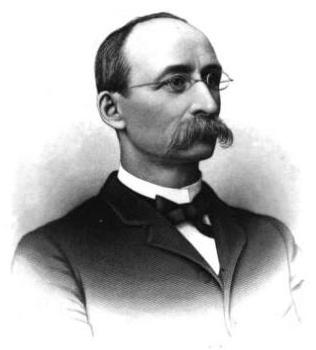
Roger Sherman Greene
U.S.A.

Social Media

Personal Background
Roger Sherman Greene, born in 1840 in Massachusetts, graduated from Dartmouth College in 1859 and was admitted to the New York bar in 1862. He served in the Civil War, rising to the rank of Captain and acting as a judge advocate. After the war, he resumed his legal career in Chicago and later in Washington Territory, where he was appointed associate justice and subsequently chief justice of the Supreme Court. Greene transitioned to private practice and held various leadership roles in financial and industrial sectors in Seattle. He was a member of the Prohibition Party, running for Congress and Governor of Washington.
Political Ideas
Roger Sherman Greene's political identity is marked by an intriguing blend of traditional judicial conservatism with progressive economic policies. His tenure in the Civil War and subsequent judicial roles highlight a disciplined approach to governance, yet his advocacy for economic stability and infrastructure development reveals a forward-thinking economic stance. Greene's commitment to the Prohibition Party adds a layer of ideological rigidity, contrasting with his nuanced stance on religious tolerance. His legislative record indicates a calculated approach to regional industrial interests, suggesting a deeply localized political strategy.