Roy Phelix Best
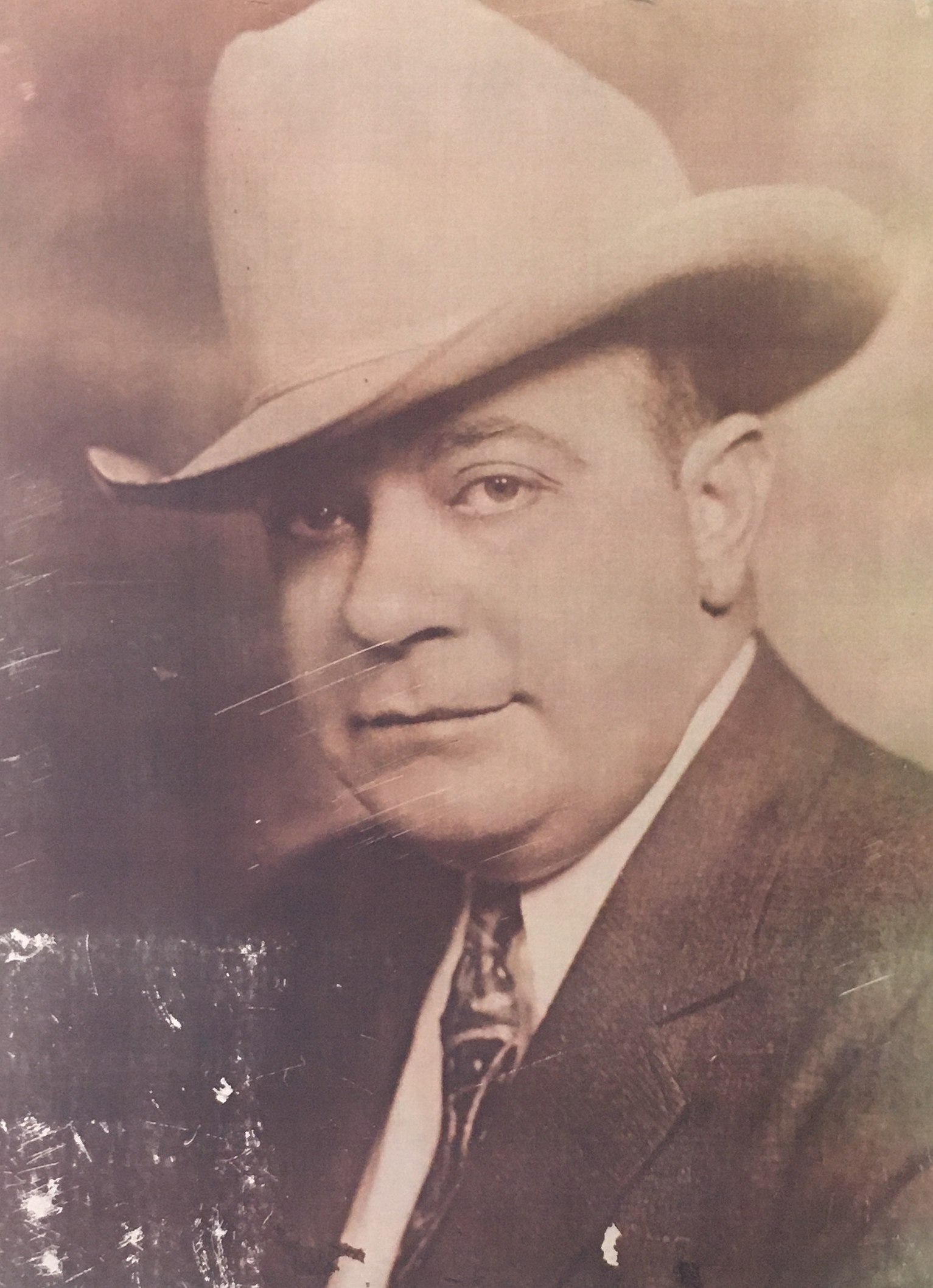
Roy Phelix Best
U.S.A.

Social Media

Personal Background
Roy Phelix Best, born in 1900, became the youngest warden in state and federal prison systems when appointed in 1932. He is noted for both harsh disciplinary measures and pioneering rehabilitative practices within the prison system. Best's tenure included managing a significant prison escape and later transitioning to a film career. Despite his controversial methods and financial scandals, his influence on modern detention practices persists.
Political Ideas
Roy Phelix Best's political identity is marked by a striking juxtaposition of harsh punitive measures and progressive rehabilitative efforts within the criminal justice system. Best's approach to prison management reveals a paradoxical blend of cruelty and compassion, evident in his use of degrading punishments alongside pioneering rehabilitative practices. His rhetorical style likely oscillates between justifying brutal tactics as necessary for order and framing rehabilitative programs as essential for inmate transformation. This conceptual tension invites deeper examination into how Best reconciles these opposing philosophies in his policymaking.